
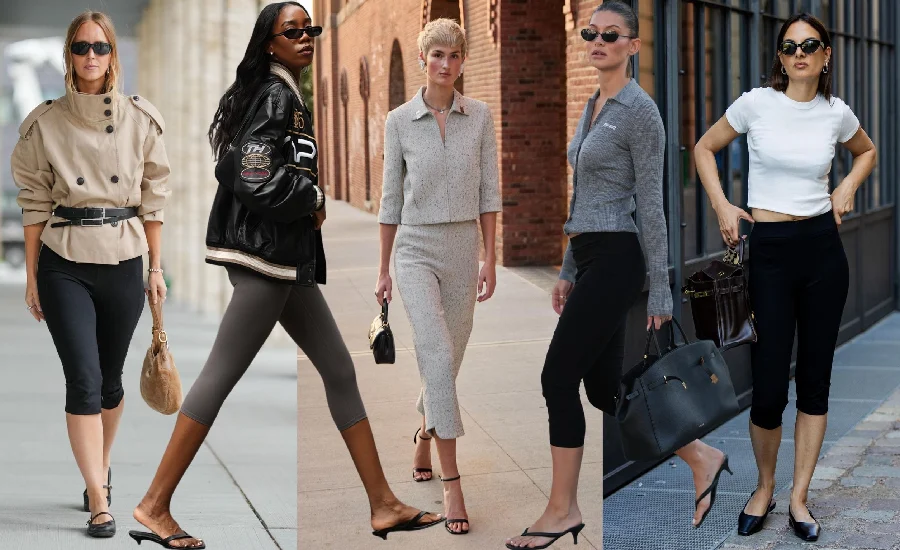
I wasn’t looking for proof. I was just walking to get coffee.
There was a woman in front of me — maybe late 20s, backpack, clearly in a hurry — wearing a pair of black tailored capri pants with pointed ballet flats and a blazer thrown over a white tee. She wasn’t a fashion person doing a look. She was just a regular person dressed for a Tuesday. And she looked really, genuinely good.
I stopped walking for half a second. Not because of the capris specifically, but because of how completely unbothered the whole outfit felt. There was nothing trying-too-hard about it. It just worked.
I took a mental note. Then I went home and started actually paying attention — to what was showing up on runways, what Google was reporting about search behavior, which celebrities were photographed in them outside of obvious paid situations. I wanted to know if this was a real thing or one of those trends that exists primarily on fashion websites and nowhere else.
Here’s what I found.
Quick Answer First
Yes — capri pants are genuinely back in 2026. This isn’t fashion-site hype. Google confirmed search interest jumped over 150% this year, making them the top trending spring pants search. Major designers showed them at Fashion Week. Real women are wearing them in real life. But the version that’s working right now is fundamentally different from what most people picture when they hear “capri pants” — and that difference is the whole story.
The Thing Is, Most People Are Picturing the Wrong Capri
When someone says “capri pants are back,” the image that jumps into most people’s heads is a very specific one. Low-rise waist. Thin, slightly stretchy fabric. Hem hitting somewhere mid-calf in a way that felt random rather than intentional. Worn with flip-flops or slip-on sneakers. Often in a wash or color that felt a little faded right out of the store.
That version. The 2003-2007 version. The one that lived at every mall store in America and showed up in roughly 40% of all photos from that era.
That’s what makes people cringe when the trend comes up. That’s why the reaction is usually some version of “absolutely not” or “I thought we agreed to never go back.” The image is specific and the memory of wearing it — or seeing it everywhere — is specific too.
But here’s the thing. That’s not what’s back. What’s back is the same general silhouette — pants that end before the ankle — completely rebuilt with different proportions, different fabric, different rise, and a completely different approach to how they’re worn. The name is the same. The garment is not.
Understanding what specifically changed is the only way to have an actual opinion about whether this trend is worth your time.
A Quick History Because It Changes the Context
Most people associate capri pants with the early 2000s, which is fair — that’s when they were everywhere. But the original capri pants are much older than that, and the original version looked nothing like the 2000s one.
A German designer named Sonja de Lennart created them in 1948 as part of a collection she named after the Italian island of Capri. The style gained real visibility in the early 1950s when costume designer Edith Head dressed Audrey Hepburn in them for Roman Holiday. From there, the style spread fast. Audrey Hepburn wore them consistently through the decade. Marilyn Monroe was photographed in them. Brigitte Bardot wore them on the French Riviera. In that first era, capri pants had a specific quality to them — high-waisted, well-made, worn with flat sandals or kitten heels, associated with a kind of breezy Mediterranean elegance.
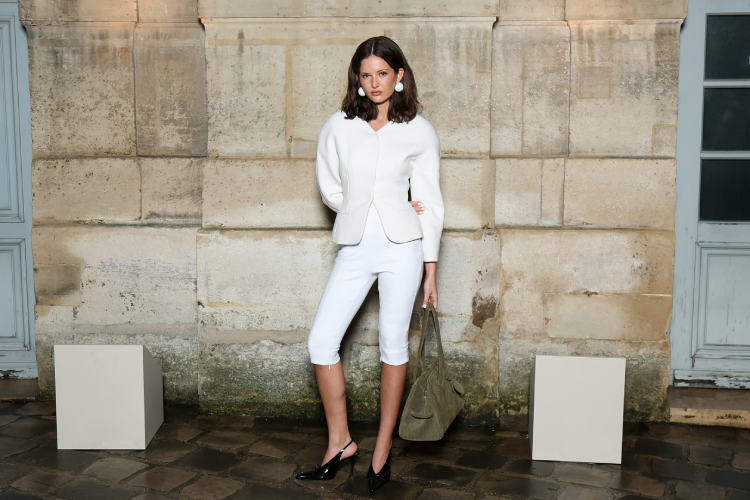
That 1950s version is actually what the current trend is reaching back toward — not the 2000s version. The designers who put capris on their Spring 2026 runways (Ralph Lauren, Isabel Marant, Versace, Proenza Schouler, Sandy Liang — more on them in a moment) were referencing Audrey Hepburn in Rome, not Lindsay Lohan at a Malibu party. That’s a meaningful distinction.
The 2000s version was the distorted middle chapter. What’s happening now is closer to a return to the original than a nostalgia trip for the version people are dreading.
What Actually Changed Between Then and Now
This is the part worth slowing down for, because the differences are specific and concrete — not just a vague “it feels more elevated now.”
The rise is completely different. The 2000s capri sat at or below the hip. Low rise. No waist definition. The eye traveled from the hip straight down to the mid-calf hem with nothing to anchor it in between. The 2026 version sits at the natural waist — the narrowest point of the torso. That single change does more for the silhouette than almost anything else. It creates a waist. It makes the leg appear to start higher. It gives the whole outfit a shape that the low-rise version simply didn’t have.
Dacey Trotta, founder of the brand Rumored, said it simply when asked about what her brand changed for the 2026 version: “A higher rise, a clean waistband, and compressive fabric instantly modernize the shape. Capris of the past often felt lower-rise, thinner, and more casual in fabrication. The shift now is toward precision.”
That word — precision — is the right one.
The fabric is structured. The old version was often made from thin, slightly shiny synthetic stretch material. It wrinkled within an hour of putting it on. It clung where you didn’t want it to cling. It had no presence. The current versions that are actually gaining traction — on runways, in quality stores, on the women who are wearing them well — use ponte fabric, cotton-twill, quality linen, or similar materials that hold their shape and drape with intention. You can feel the difference when you pick them up. One feels like something that will hold its structure all day. The other feels disposable.
The silhouette is cleaner. The 2000s versions often had a slightly tapered, vaguely athletic shape that didn’t commit to any particular aesthetic. The current versions are either cleanly straight — like a cropped trouser — or slightly tailored with a clear intention. They look like a design decision was made, not like a full-length pant that got cut shorter.
The styling is completely different. This might actually be the biggest shift. The 2000s capri was worn as casual, everyday clothing — flip-flops, canvas sneakers, layered tank tops. Nobody was treating it as something to think about. The 2026 version is being styled with pointed kitten heels, slingback flats, silk blouses, tailored blazers, and structured bags. At Ralph Lauren’s Spring 2026 show, black capri trousers came out with oversized button-down shirts and woven peep-toe heels. Proenza Schouler sent capris down the runway with evening pieces. Sandy Liang did playful lace and floral versions that felt both ironic and completely chic. This is not flip-flop territory anymore.
The Celebrities Actually Wearing Them — And Why It Matters
One thing I always check before trusting a trend: are real celebrities wearing these in candid situations, or is it only showing up in campaign content and styled editorial shoots?
With capri pants in 2026, the answer is both — but with enough candid sightings to feel real. Bella Hadid wore a black tailored pair in March in what appeared to be street photography rather than a shoot. Sabrina Carpenter has been photographed in them multiple times in different contexts. Hailey Bieber, Emma Stone, Alexa Chung, and Meghan Markle have all been spotted in variations of the trend.
Alexa Chung is worth mentioning specifically because she never really stopped wearing capris. She’s been wearing them — quietly, without making a big statement about it — for years. The fact that they’re now showing up on women who aren’t already committed to the silhouette suggests that the trend has moved beyond the early adopter phase.
That matters. Early adopter trends often look good on the specific women who kick them off — usually very tall, very slim, with proportions that make almost everything work — and then fall apart when they reach a wider audience. When a trend starts showing up on a wider range of body types and personal styles, and still looks good, that’s when you know it’s genuinely working.
Why Right Now, Specifically
Timing is part of any trend, and capris showing up in 2026 specifically isn’t accidental.
Fashion has been in an early-2000s nostalgia cycle for a few years. Low-rise jeans came back. Baby tees came back. Micro bags. Butterfly clips at fashion week. The whole era has been getting rehabilitated item by item, and capri pants were always going to be part of that wave eventually.
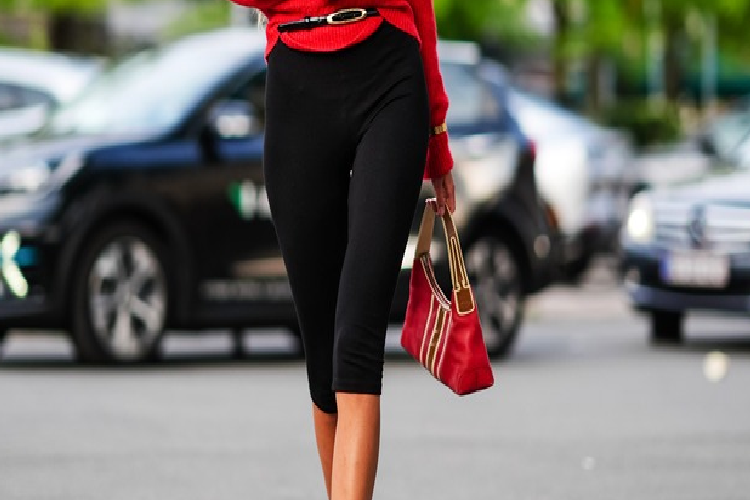
But beyond nostalgia, there’s a practical shift happening in how people want to dress. The oversized-everything era — wide-leg jeans, boxy tops, relaxed everything — has been dominant for long enough that a cleaner, more streamlined silhouette feels fresh. Capri pants, in their tailored form, are exactly that. They’re not boxy or oversized. They’re not trying to hide anything. They have a clean shape and they sit on the body intentionally.
There’s also the very simple summer math. Shorts feel too casual for certain situations. Full-length pants feel too hot in July. The gap in between has always been awkward to fill, and capris — worn the right way — fill it better than almost anything else. That practical usefulness is part of why they stick around once a trend gets started.
The Honest Counterargument
There’s a real case against capri pants that I want to address directly rather than pretend it doesn’t exist.
Some stylists argue — not without reason — that capris are fundamentally problematic for proportion because the hem creates a horizontal line across the leg, often at its widest point, which visually shortens the silhouette. The argument is that a cropped trouser ending at the ankle is strictly better for most bodies because it creates length rather than interrupting it.
That argument is largely based on the 2000s version, where the hem did land at the widest part of the calf and the low rise meant there was nothing to counterbalance it. It’s worth taking seriously.
But it doesn’t fully apply to the current version, for two reasons. First, high-waisted capris create a visual starting point for the leg that’s higher up on the body, which compensates for the hem being lower. Second, the shoe choice matters enormously — a pointed-toe shoe continues the visual line of the leg past the capri hem rather than stopping it, which largely cancels out the “horizontal break” effect. The critics are right that this silhouette requires more attention than an ankle-length cropped pant. They’re wrong that the problems are unfixable.
Practical Tips Before You Buy Anything
Try them on in person if you can. Capri pants look different on a hanger, different in a dressing room before you add shoes, and different again once you’re wearing the full outfit. They need context. Don’t buy a pair based purely on how they look folded on a shelf.
Focus on the rise before anything else. If the pants sit below your natural waist, they’re producing the 2004 version of this silhouette regardless of what else they’re doing right. High waist or nothing.
Check the fabric weight. Pick them up and feel them. You want structure and weight, not thinness or stretch. If the fabric doesn’t hold its shape when you hold it up, it’s not going to hold its shape on your body either.
Think about hem length. The closer the hem is to the ankle, the more universally flattering the silhouette. The higher up the calf the hem sits, the more you need the shoes and proportions to work in your favor.
Start with a neutral. Black, dark navy, stone. Get the silhouette right before you add the variable of color or print.
Common Mistakes That Make Them Look Dated
Wearing them with chunky sneakers is still the most common error. The chunky sole creates a visual block at the capri hem that makes the whole thing read as shapeless and dated. Switch to a pointed flat or a kitten heel and the same pant looks current. It’s genuinely that specific.
Leaving the top untucked in a way that covers the waistband. The waist definition is structural for this silhouette — cover it and you lose the thing that makes the proportions work. Even a half-tuck helps.
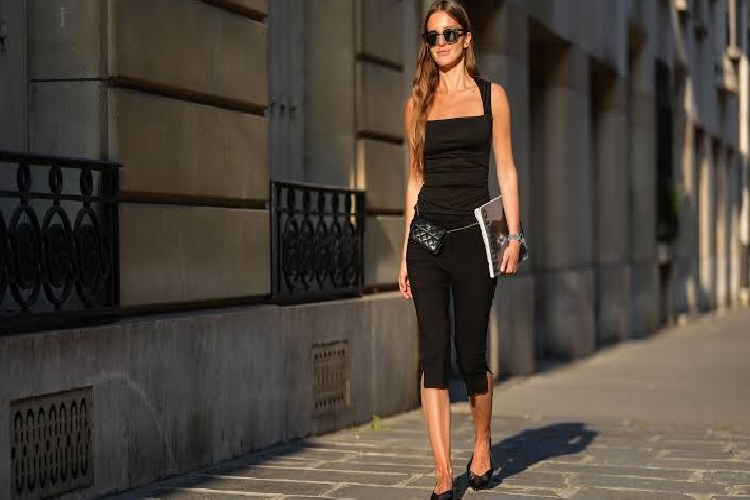
Buying the wrong rise because it fit well everywhere else. A mid-rise capri that fits great through the hip might still sit too low to create the waist-defining effect you need. Try to find high-waisted specifically, even if it takes a bit more effort.
Wearing them in the wrong fabric and then concluding the trend doesn’t work. Thin, stretchy capris in 2026 still look like 2004. The fabric is half the reason the silhouette works now. Don’t judge the trend based on the cheapest version of it.
Who This Trend Actually Works For
People who spend summers bouncing between “this is too casual” and “this is too hot” — capris land in the middle in a way nothing else quite does. They’re more polished than shorts and cooler than full-length pants. They photograph better than both.
People who are done with the oversized silhouette but aren’t ready for a full return to structured tailoring. Capris are a middle ground — clean and intentional without being stiff or formal.
People who want to participate in the Y2K revival without low-rise anything. The high-waisted capri gives you the same early-2000s nod without the parts that were genuinely unflattering for most bodies.
And honestly — anyone who’s been telling themselves “I could never wear capri pants” based on trying the 2000s version. The gap between what you tried then and what’s available now is significant enough that it’s worth one more look.
FAQs
Aren’t capri pants and cropped pants the same thing? Not exactly. Cropped pants usually end close to or at the ankle. Capris end somewhere between the knee and the ankle — typically mid-calf. The distinction matters for proportions. Ankle-length cropped pants are generally more universally flattering. Capris require more attention to shoe choice and rise to achieve the same result. But done right, they’re different aesthetically — with a more pronounced vintage quality — and worth the slightly higher styling bar.
How do I know if I’m looking at a good 2026 capri or just leftover old stock? Check three things: rise (should sit at or above the natural waist), fabric (should have structure and weight, not be thin or stretchy), and silhouette (should have a clean straight or slightly tapered leg, not a vague athletic shape). If all three are right, it’s the current version. If any of them miss, you’re looking at the old version regardless of the label.
Do capri pants work on petite women? With adjustments, yes. High-waisted is non-negotiable. Pointed-toe shoes are essential. Look for hem placement in the lower, slimmer part of the calf rather than the upper, widest part. Petite sizing from brands that offer it can help since it adjusts the inseam proportionally. The 2000s version was genuinely problematic on shorter frames. The current version, styled carefully, is not.
What’s the best shoe with capri pants in 2026? Pointed kitten heels are the strongest single choice — they elongate the leg at the hem point, add a small amount of lift, and feel current on their own. Pointed ballet flats are the best flat alternative. Thin-strap sandals and slingbacks work well for summer heat. Avoid chunky soles, heavy ankle straps, and round-toe shoes — all of these create a visual stop at the capri hem that disrupts the leg line.
Is this trend going to last or should I wait and see? The tailored trouser version has enough practicality and versatility behind it that it’s likely to become a wardrobe staple rather than disappearing after one season. The more trend-specific versions — gingham, lace, wide-leg — might have a shorter run. If you’re going to buy one pair, buy a well-made black or navy tailored capri that you can wear beyond this specific trend moment.
Final Thoughts
The woman I passed on my way to coffee that Tuesday wasn’t making a statement. She wasn’t proving anything. She was just wearing an outfit that worked.
That’s what a good trend looks like at its best — not a costume, not a statement piece, just something that slots into a real wardrobe and makes getting dressed a little easier.
Capri pants in their current form are genuinely that. Not for everyone. Not in every version. Not without some attention to the specific details that make them work. But the “absolutely not, we agreed to leave these in the past” reaction that most people have — including me, for a while — is based on a garment that has actually been rebuilt.
Try the high-waisted one. Add the pointed shoe. See what happens.
You might be surprised.