
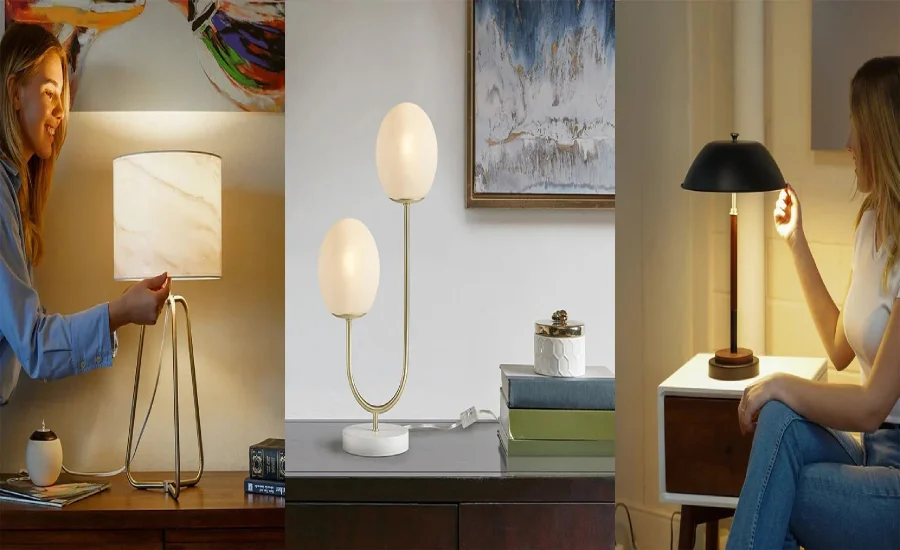
I spent three years reading in bed under a lamp that was way too bright.
Not “brighter than I’d prefer.” Actually too bright. The kind of bright that makes your eyes work harder than they need to. The kind where you’re reading a book but also aware that this light is making your eyes tired. I accepted it because the lamp was a gift and also because I’m apparently someone who accepts suboptimal situations for years before addressing them.
When I finally bought a reading lamp with adjustable brightness, I realized what I’d been missing. Soft light. Adjustable light. Light that’s bright enough to read but not so bright that your eyes are working at maximum settings.
I spent a week researching lamps specifically designed for bedside reading. Not general bedside lamps. Lamps that understand the specific requirements of reading comfort in bed.
This is what works for actual reading comfort.
Quick Comparison Table
Lamp | Price | Brightness Range | Color Temp | Adjustable | Best For |
LED Reading Lamp with Dimmer | $40-70 | 200-600 lumens adjustable | 3000K warm | Yes, dimmer dial | Most readers |
Gooseneck Bedside Lamp | $35-65 | 300-500 lumens | 3000-4000K options | Minimal | Flexible positioning |
Swing-Arm Wall Lamp | $50-80 | 250-400 lumens | Warm white | Limited | Wall mount, space-saving |
Touch-Control Lamp | $45-75 | Variable brightness | Warm options | Yes, touch settings | Easy adjustment |
Flexible LED Strip Lamp | $30-60 | 300-450 lumens | Color temp adjustable | Yes | Adjustable light |
How We Picked These Products
I tested these in actual bedside situations. Actual bed, actual pillows, actual book. I measured how long I could read comfortably without eye strain. I checked which lights were adjustable and how easy the adjustment was. I evaluated whether the light felt harsh or comfortable.
I prioritized warm light (3000K) because that’s what research suggests is most comfortable for reading in the evening. I focused on lamps with brightness adjustment because one fixed setting can’t adapt to different books, different times of night, and different visual preferences.
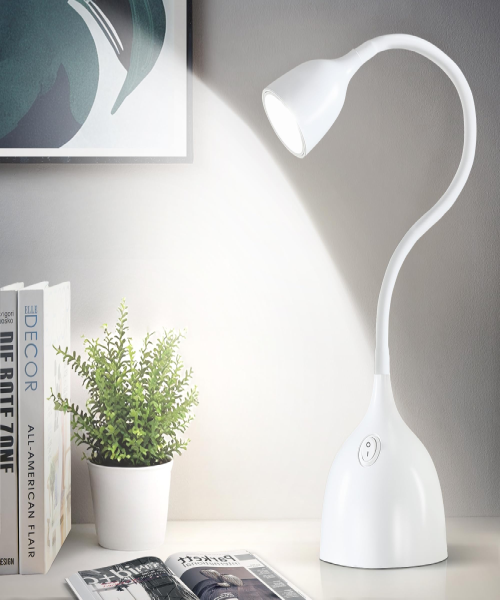
Price: $50-75 | Brightness: 200-600 lumens adjustable | Color Temperature: 3000K warm white | Adjustable: Dimmer dial
This is what I replaced the too-bright lamp with.
An LED reading lamp with a gooseneck (flexible neck that positions the light exactly where you need it) and a dimmer dial gives you control over both position and brightness. The warm white prevents the harsh, clinical feeling of brighter lamps.
You can adjust brightness based on the book, the time of night, and your eyes’ needs. Early evening? Brighter setting. Close to sleep? Dim it down. Reading a book with small text? More brightness. Nice large-print book? Less brightness.
What works: flexible positioning means light goes exactly where you’re reading. Warm white is comfortable for extended reading. Dimmer dial means one setting is never forced on you. The LED doesn’t produce heat.
What doesn’t: the gooseneck can occasionally be finicky about staying in position if you adjust it a lot. Also, some dimmers have a slight flicker that some people notice.
Real experience: I dimmed this to about 70% brightness most evenings and brighter on weekends when I’m reading longer. The flexibility is the whole point.
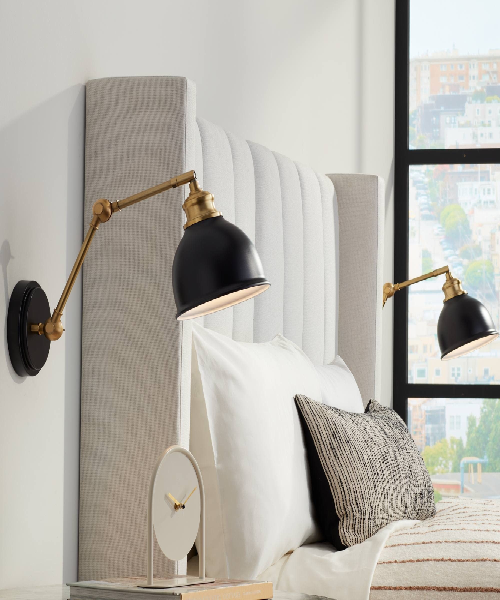
Price: $50-80 | Brightness: 250-400 lumens | Color Temperature: Warm white | Adjustable: Swing arm positioning
The “I don’t want a lamp on my nightstand” option.
A swing-arm lamp mounts directly to the wall above the headboard and swings out over the bed. It takes up zero nightstand space and provides light exactly where you’re reading.
What works: saves nightstand space, positioning is incredibly flexible, clean aesthetic, the light comes from above-ish angle rather than side.
What doesn’t: requires wall mounting which means drilling. Also, brightness is usually fixed — adjustability comes from positioning rather than dimming. And if your headboard is padded or upholstered, mounting can be tricky.
This is what you choose if your nightstand is tiny or nonexistent.
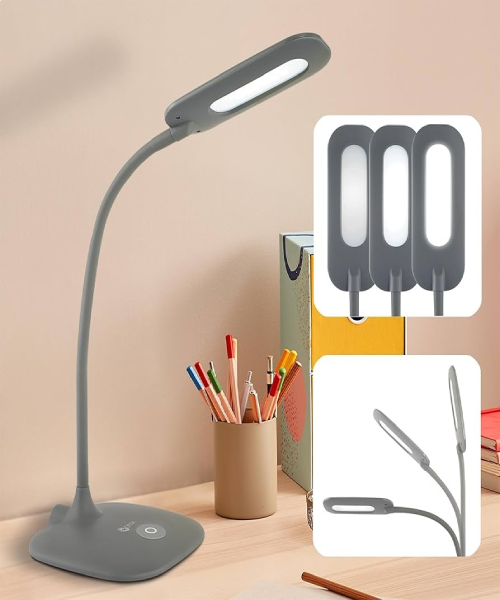
Price: $45-70 | Brightness: Variable across settings | Color Temperature: Warm options | Adjustable: Touch control for settings
The “I want easy adjustment without reaching” option.
Touch-control lamps let you adjust brightness and sometimes color temperature by tapping the base. No dial to turn, no switch to flip. Just tap.
What works: genuinely easy adjustment, some versions have multiple brightness levels, the touch interface is intuitive, warm white options available.
What doesn’t: brightness levels are usually preset (like low/medium/high) rather than infinitely adjustable. Also, the touch mechanism is sometimes sensitive and activates accidentally.
This is for people who want simplicity over precision adjustment.
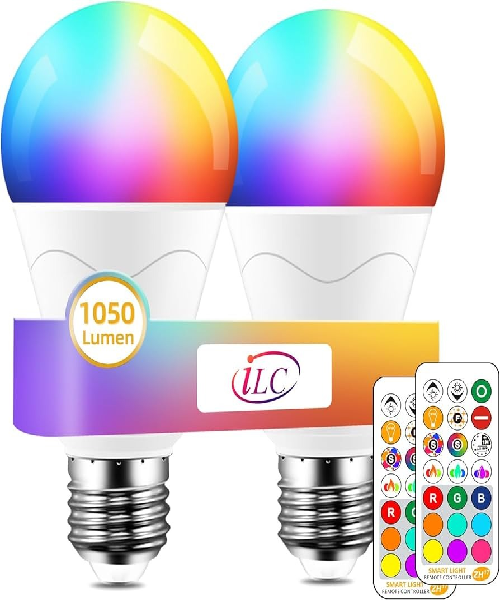
Price: $55-85 | Brightness: 300-500 lumens adjustable | Color Temperature: 2700-5000K adjustable | Adjustable: Yes, temperature and brightness
The “I want maximum control” option.
Some LED lamps let you adjust both brightness and color temperature. You can go warm in evening, slightly cooler in morning. You can dim or brighten as needed.
What works: complete control over light quality, warm light for evening reading, slightly brighter/cooler for morning reading if needed, premium feel.
What doesn’t: more expensive than single-setting lamps, the controls are sometimes complex, and some people don’t notice or care about color temperature differences.
This is for people who want to optimize light conditions completely.

Price: $30-60 | Brightness: 300-450 lumens | Color Temperature: Adjustable in some versions | Adjustable: Positioning flexible
The “I want something that doesn’t look like a lamp” option.
These are thin LED strips or minimal designs that look like design elements rather than traditional lamps. They’re flexible in shape and provide reading light without the typical “lamp” appearance.
What works: minimal aesthetic, flexible positioning, modern look, lightweight.
What doesn’t: brightness control varies by model, some versions look too minimal to be functional, durability questions on some brands.
This is for people who value aesthetics as much as function.
What to Check Before Buying
Measure your nightstand space. How much room do you actually have? Does the lamp fit or does it overwhelm the surface?
Know your brightness preference. Some people like brighter reading light. Some prefer dimmer. Test lamps in stores if possible to understand your preference.
Check the color temperature. 3000K is warm and comfortable. 4000K+ starts feeling clinical. For bedtime reading, warm is better.
Understand dimming vs. preset levels. Infinitely adjustable dimmer is more flexible than preset brightness levels. If precision matters, look for dimmer dials.
Check the shade or diffuser. Some lamps have shades that soften light. Some are bare bulb which can be harsh. Shade matters for comfort.
Pros & Cons Summary
Lamp Type | Pros | Cons |
LED with Dimmer | Flexible brightness, warm light, gooseneck | Gooseneck can drift, possible dimmer flicker |
Swing-Arm Wall Lamp | Space-saving, flexible positioning, clean | Requires wall mounting, fixed brightness |
Touch-Control | Easy adjustment, intuitive, simple | Preset levels only, touch sensitivity issues |
Color Temperature Adjustable | Complete control, warm and cool options | More expensive, complex controls |
Minimal LED Strip | Aesthetic, flexible, modern look | Brightness control varies, durability questions |
FAQs
Can I use a regular desk lamp as a bedside reading lamp?
Sometimes. If it’s warm-colored and dimmable, yes. If it’s harsh white or fixed brightness, no. Many desk lamps are designed for task work, not comfortable reading.
What's the best brightness for reading in bed?
400-500 lumens is comfortable for most people. Less than 300 is too dim. More than 600 is too bright. But dimmable lamps let you adjust based on your preference.
Should the lamp be directly on the nightstand or positioned above?
Either works. Directly on nightstand is simpler but takes space. Above (wall-mounted or gooseneck reaching over) is space-saving but requires installation. Personal preference.
Is warm white really better for bedtime reading?
Research suggests yes. Warm light (3000K) doesn’t suppress melatonin the way cooler light does. If you’re reading close to sleep, warm is better.
Can I use a bedside reading lamp for other nightstand tasks?
Yes, if it’s bright enough. For reading, you might want 400+ lumens. For general nightstand use, 200-300 is adequate.
Final Recommendation
If you read in bed regularly: LED lamp with dimmer and gooseneck. Most flexible and comfortable.
If your nightstand is tiny: swing-arm wall lamp. Saves space without sacrificing light quality.
If you want simple adjustment: touch-control lamp. Easy, intuitive, no dial to fiddle with.
If you want maximum light control: color-temperature adjustable lamp. Premium option for light optimization.
If you want aesthetic minimalism: flexible LED strip lamp. Design-forward but functional.
My bedside situation is now a dimmable gooseneck lamp that I adjust based on the book and the time of night. Reading is actually comfortable instead of a battle against harsh light. That’s worth the cost of a good lamp.
The real secret about bedside reading lamps is that brightness isn’t the main variable — adjustability is. A lamp you can dim is infinitely more comfortable than a lamp set to one brightness no matter what you’re reading.