

I bought a planner once that cost forty-five dollars.
It had this beautiful navy blue cover with gold lettering. Inside, every page had motivational quotes. There were sections for different areas of your life: health, relationships, work, personal growth. There were boxes to check. Progress trackers. Vision boards.
It looked like it was going to change my entire life.
I was convinced that having this planner would make me organized, successful, motivated, all of it.
I used it for exactly one week.
I wrote in it for five days. Then I got busy and forgot about it. Then I felt guilty about it not being used so I kept it in a visible place on my desk. Then three months passed and I’d written in it maybe twice more.
Then I felt so guilty about wasting money that I put it on a shelf behind other books so I wouldn’t have to look at it.
That’s when I realized something important: the problem wasn’t that I needed a planner. The problem was I’d bought a planner based on what I thought I should be, not based on what actually worked for how I actually live.
I was buying lifestyle products based on some aspirational version of myself. Not based on real me.
Real me uses her phone to remember things. Real me doesn’t write things down. Real me has tried planners a hundred times and never maintained them because the mental effort of maintaining the system is more than the mental effort of just remembering.
But I bought that planner thinking “this time will be different” because it looked motivational.
It wasn’t different. It was just an expensive decoration.
After that experience, I started actually paying attention to what lifestyle products I used versus what I bought and never used.
Turns out there’s a massive difference.
The products I actually use are the ones that fit into my existing life without requiring me to change anything.
The products that don’t work are the ones that require me to maintain a system or change my behavior.
That’s the key distinction.
What Actually Makes a Lifestyle Product Useful (And Not Just A Waste Of Money)
A useful lifestyle product solves a real problem you actually have right now.
Not a problem you think you should have. Not a problem you’ll maybe have sometime. A real problem you’re experiencing right now.
Like I don’t need a fancy water bottle if I don’t actually forget to drink water. But if I’m someone who sits at a desk all day and forgets to hydrate and by 4pm has a headache because I’m dehydrated, a water bottle that sits on my desk might actually solve this problem.
A useful lifestyle product works with how you actually live, not with how you think you should live or how you want to live.
Like if you work at a desk and eat lunch at your desk, a lunch box that fits under your desk or in a drawer near you matters. It’s convenient. You’ll use it.
But a beautiful lunch box from an Instagram-famous brand that doesn’t fit anywhere convenient? You won’t use it. It looks good but it doesn’t work for your actual life.
A useful lifestyle product doesn’t require you to change your fundamental behavior to use it.
Like a coffee maker makes sense for your daily routine. You’re already making coffee. A coffee maker just makes it easier.
But a complicated espresso machine that requires learning steaming techniques and becoming skilled at it? That only makes sense if you actually want to learn those skills and have the time to practice.
The machine doesn’t create the interest or the time. It requires you already have both.
A useful lifestyle product actually gets used regularly, not just occasionally or never.
This is the critical test honestly. Does this product get used at least once a week? If not, it’s not a useful lifestyle product for you. It’s a decoration. It’s a waste of money.
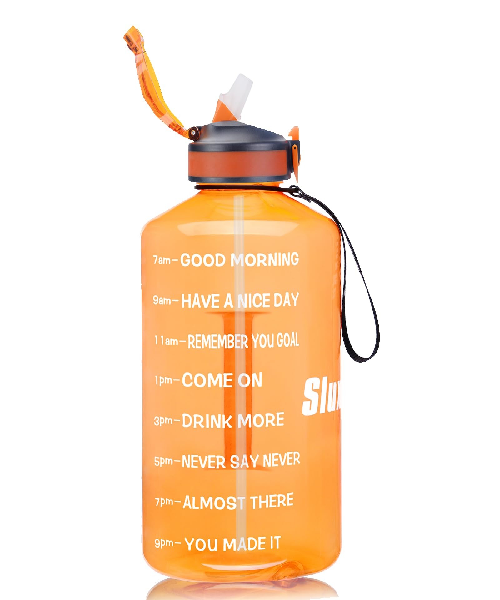
Water bottles seem obvious. Everyone talks about drinking more water. Everyone needs hydration.
But here’s the thing that nobody tells you: most people buy water bottles that don’t actually work for them. Then they don’t use them and feel bad about wasting money.
I bought a water bottle once that was beautiful. Stainless steel. Good insulation. The brand was trendy.
But the cap required two hands to open and close. You had to twist it and then push a button and then twist it again. It was annoying.
So when I wanted water, I’d just go to the tap and drink from my hands like a normal person because opening the bottle was annoying.
The bottle looked great on my desk. But I didn’t use it. I used the tap.
Then I bought a water bottle with a simple push-to-open cap. You just press a button and it opens. You drink. You press the button and it closes.
Suddenly I used it constantly. I carried it everywhere. I drank so much more water because the friction of opening and closing was gone.
The difference between these two water bottles was not quality. Both were decent quality.
The difference was that one bottle worked with how I actually use things and one didn’t.
A good lifestyle water bottle for actually using every day needs to:
Actually fit in your bag or your car cup holder or wherever you're going to keep it.
I can’t stress this enough. If it doesn’t fit, you won’t bring it. Then you’ll buy bottled water instead and feel bad about yourself. Buy a bottle size that fits your actual spaces.
Have a cap you genuinely don't mind opening fifty times a day.
This matters way more than anything else. If opening the cap is annoying, you won’t use it. You’ll drink from something else. Test the cap design before you buy. Open and close it twenty times. If it’s annoying, don’t buy it.
Keep water at the temperature you actually prefer for the amount of time you use it.
If you drink water immediately, insulation doesn’t matter at all. If you’re sitting at a desk for eight hours and want cold water the whole time, insulation matters a lot. Know which person you are and buy accordingly.
Be something you don't mind cleaning regularly.
If you hate hand-washing bottles and the bottle doesn’t fit in a dishwasher, you’ll stop using it because it gets gross.
Not be so expensive that you feel bad about potentially losing it or damaging it.
If you spend eighty euros on a water bottle and then worry about dropping it, you’re going to be stressed every time you use it. Buy something you can actually use without worrying.
Honestly, a basic twenty-euro water bottle you’ll actually use every day is infinitely better than a seventy-five-euro designer bottle that sits in your cabinet because the cap is annoying or it doesn’t fit anywhere.

I bought a lunch container that was beautiful and held the perfect amount of food according to the packaging.
But the seal didn’t work well. When I’d put it in my bag, liquid would leak. Not a lot, but enough that my bag would smell like whatever I packed.
I stopped using it.
I went back to using whatever container I had because even a mediocre container that didn’t leak was better than a beautiful container that ruined my stuff.
Then I realized I’d wasted money buying a beautiful lunch container that didn’t work for the actual use case.
A good lifestyle lunch container needs to:
Actually seal without leaking.
This is non-negotiable. A lunch container that leaks is worse than useless. It’s harmful because it damages your other stuff.
Be the right size for what you actually eat.
Not the size a wellness influencer eats. What you actually eat. If you eat a small lunch, a huge container is annoying to carry and makes you feel bad about the amount of food. If you eat a large lunch, a small container means you’re hungry. Get the right size for you.
Be easy to clean if you're cleaning it every single day.
This matters more than people think. If cleaning the container is annoying, you’ll stop using it. You’ll use something else. Test cleaning before you buy.
Fit in your actual bag or workspace.
If it doesn’t fit in your backpack, you won’t bring it. If it doesn’t fit in your desk drawer, you’ll eat out instead.
Heat evenly if you want warm food at work.
Not all containers heat well in microwaves. Some create hot spots. Some don’t heat through. Test this.
Most people overthink this. You don’t need a special designer lunch container. You need something that holds food, seals, heats if necessary, and fits where you need it to fit.
A basic glass container with a lid from any home store works better than a designer lunch container.
Cost reality: €10-30 for something that works fine. Designer brands charge €50-100+ but you don’t need to spend that if it actually works.
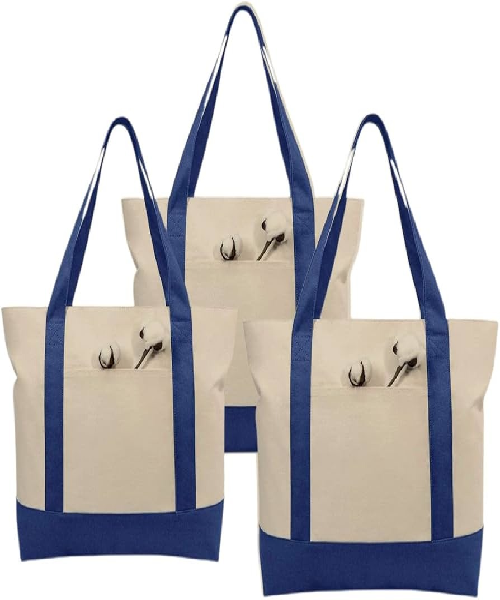
Tote bags are one of those lifestyle products where style gets marketed heavily but functionality actually matters way more.
I had a beautiful tote bag from a brand I loved. It looked amazing. The color was perfect. I felt good carrying it.
But the handles were uncomfortable. They dug into my shoulders. They were made of thin material that hurt if I carried anything heavy.
So I didn’t use it. I used a backpack instead because the backpack didn’t hurt my shoulders.
The tote bag lived in my closet looking beautiful but unused.
Then I bought a tote bag with padded handles. It’s not as aesthetically beautiful as the designer one. But I use it constantly because it doesn’t hurt to carry.
I’ve used this tote bag more in six months than I used the designer one in three years.
A good lifestyle tote bag needs to:
Have comfortable handles if you're going to carry it regularly.
This means padded or at least decent material. Test carrying it with weight before you buy.
Be made of material that doesn't rip easily.
Canvas works. Heavy cotton works. Thin material doesn’t. Your bag needs to survive regular use.
Have inside pockets or structure if you want to find things easily.
Or be completely fine with everything being loose inside. Know which works for you.
Be the right size for what you actually carry.
Not Pinterest-size. Real size. Do you carry a laptop? Do you carry just small items? Do you carry groceries? Buy based on real use.
Be something you don't mind when it gets dirty.
Bags get dirty. Dirt happens. If you’re going to stress about it getting dirty, you won’t use it. Buy something you can actually use.
Most tote bags are fine. The key is picking one that actually works for your real life, not a tote bag that looks good on Instagram.
Cost: €15-40. You genuinely don’t need to spend more. Expensive designer tote bags are €100-200+ but functionality is similar.
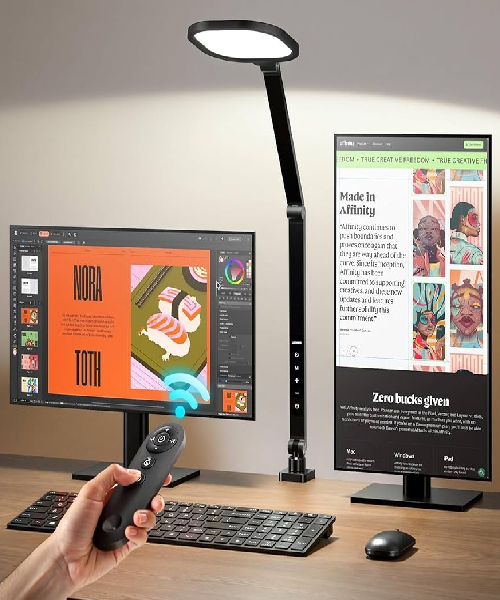
I bought a trendy desk lamp once because it looked amazing. It had a cool design. It looked modern and sophisticated.
But it was really bright. Like aggressively bright.
When I sat at my desk with this lamp on, I’d get a headache within an hour.
So I didn’t use it.
I went back to using a basic lamp I’d had before that had a dimmer switch and provided soft light.
The trendy lamp is beautiful. It sits in my closet looking good. But I never use it because it gives me a headache.
A good lifestyle desk lamp needs to:
Actually provide the right amount of light for your specific work.
This is individual. Some people need very bright light to focus. Some people get headaches from bright light. Know which you are. If you get headaches from bright light, a bright lamp is not a lifestyle product. It’s a headache machine.
Have a dimmer switch if you like adjusting brightness throughout the day.
Morning light is different from afternoon light. If you can adjust, you’re more likely to use the lamp in different lighting conditions.
Not give you a headache or eye strain.
Some LED lights are annoying. Some aren’t. You have to test this. Sit under the lamp for an hour before you buy it if possible.
Not take up a ton of space if your desk is small.
Or fit your actual desk space perfectly if you have space.
Not be so expensive that you feel bad leaving it on.
If the lamp costs a hundred euros, you might not use it as much because you’re worried about the electric bill or worried about damaging it.
A basic lamp that provides the light you actually need is infinitely better than a trendy lamp that bothers you to use.
Cost: €20-50 for something functional. Expensive designer lamps are €100-300+ but you don’t need that.
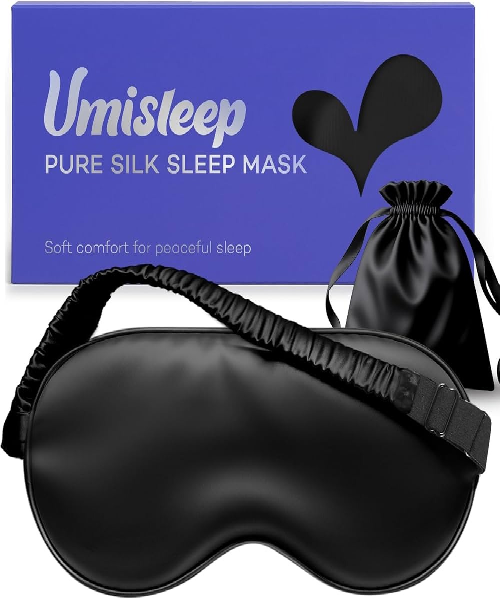
I bought a sleep mask for a flight once.
It was nice. It blocked light. It helped me sleep on the plane.
Then it sat in a drawer for two years.
I opened it occasionally thinking “I should use this” but never did because I only flew once in that two-year period.
Sleep masks are a useful lifestyle product only if you’re traveling multiple times a year. If you fly once every five years, a sleep mask doesn’t make sense.
A good lifestyle sleep mask needs to:
Actually be comfortable to wear for hours.
Some masks dig into your nose. Some don’t. Some designs are uncomfortable. You have to test this if possible.
Actually block light effectively.
Not all sleep masks block light equally. Some have gaps. Some let light in around the edges. Test this.
Not be so expensive that you feel bad about losing it.
You’re going to lose things when traveling. If the mask is expensive, you’ll stress about losing it.
A sleep mask is a useful lifestyle product only if you’re going to actually use it regularly. If you’re not, don’t buy it.
Cost: €10-25 for something decent.
Budget vs Premium Picks
Budget picks: You genuinely don’t need to spend money on most lifestyle products.
A €20 water bottle works as well as a €60 water bottle if it fits your lifestyle and has a cap you like.
A €15 lunch container works as well as a €50 designer lunch container if it actually seals and heats evenly.
A basic €20 tote bag works as well as a €100 designer tote if you actually use it and it doesn’t hurt your shoulders.
A basic €20 desk lamp works as well as a €100 designer lamp if it provides the light you need without headaches.
The difference between budget and premium is usually aesthetics and brand name, not functionality.
Premium picks: Some premium products are worth the money ONLY if they actually improve your daily life significantly AND you use them constantly.
Like if you’re someone who uses your water bottle every single day and you drink a lot of water, a premium insulated bottle that keeps water cold all day might be worth €60 because you use it 365 days a year and you’re going to be happier with cold water.
If you eat lunch at your desk every single work day (like 250 days a year), a premium lunch container with excellent seals and structure might be worth €40 because you use it constantly and it needs to be reliable.
If you carry a tote bag daily, a premium bag made of excellent material might be worth €80 because you use it hundreds of times a year and you want it to last years.
The key: only buy premium if you’re actually going to use the product constantly (multiple times weekly minimum) and quality genuinely affects your experience.
What Not to Buy (Critical)
Don’t buy lifestyle products based on what you think you should be doing.
Like don’t buy a yoga mat because you think you should do yoga if you don’t actually do yoga and have no interest in starting.
Don’t buy a planner if you know from experience that you use your phone for reminders and you’re not going to maintain a planner system.
Don’t buy a fancy water bottle if you know you’re not going to drink water out of it because you prefer other beverages.
Don’t buy products that require you to change how you live significantly.
These products don’t change behavior. They support behavior you already have.
If you don’t have the behavior, the product is useless.
Don’t buy lifestyle products because they look good on Instagram or because an influencer recommended them.
Like a beautiful desk lamp is nice but if it doesn’t provide the light you need or it gives you headaches, it’s useless regardless of how pretty it is.
Don’t buy the most expensive version thinking it’s automatically better.
Most lifestyle products work fine at the budget level if they’re the right fit.
Don’t buy lifestyle products you won’t actually use.
This is the critical test. Before you buy, imagine using this product every day for a week. If you can’t see yourself doing that, don’t buy it.
Final Recommendation (The Real Truth)
Before you buy any lifestyle product, you need to answer these questions honestly:
Do I actually have this problem right now? Not theoretically. Right now.
Like do you actually have issues with hydration right now? Or are you thinking you should drink more water even though you’re doing fine?
Do you actually have trouble remembering lunch even though you want to bring lunch? Or are you just thinking you should meal prep?
Will this specific product actually solve that problem for how I actually live?
Not for how you want to live. How you actually live.
Will this water bottle work with my actual schedule and habits?
Will this lunch container fit in my actual bag?
Will this lamp provide light without giving me headaches?
Will I actually use this regularly?
Not occasionally. Regularly. Like at least a few times a week.
If you can’t see yourself using it that frequently, don’t buy it.
The best lifestyle products are the ones you don’t even think about. You just use them. They’re so naturally integrated into your daily routine that you don’t notice them. You just grab them and use them without thinking.
That’s the goal. Not products that make you feel like you have your life together. Not products that look good on your desk.
Products that actually make your daily routine easier without adding complexity or friction.