
I landed in Istanbul and immediately got lost trying to find my hotel.
Not in a romantic “wandering European streets” way. In a genuinely lost way where I was walking in circles through side streets, my phone had died, and I was pretty sure I’d passed the same kebab stand three times.
But while I was completely lost, something happened. I stopped trying to navigate and just started walking. And I ended up in this neighborhood with no tourists. Like literally none. Just Turkish people living their lives. Sitting at tables eating breakfast at 10am. Guys playing backgammon. A woman yelling at her kid in Turkish.
That’s when I realized the best Istanbul experience isn’t the famous stuff everyone tells you about. It’s the neighborhoods you stumble into. The food you eat when you can’t read the menu. The moments when you’re not checking boxes.
But also the famous stuff is famous for a reason. You have to do both. And you have to know which neighborhoods matter and which ones are just tourist factories.
Why Istanbul Is Actually Worth The Chaos
Istanbul is genuinely insane in the best way.
It’s one of the most historically significant cities that’s ever existed. Like it was Constantinople. It was the capital of the Byzantine Empire and the Ottoman Empire. There’s layer upon layer of history stacked on top of each other. You’re standing in a city that’s been continuously significant for like 2000 years.
It’s sitting on the Bosphorus which is a strait between Europe and Asia. This means the geography is actually wild. You can see both continents from the European side. You can take a ferry and literally cross continents in like fifteen minutes.
The food is incredible. I’m not exaggerating. Street food is genuinely amazing. A kebab from a street vendor is fifty cents and delicious. Fish sandwiches sold from boats on the water. Pastries and bread. Everything. The food culture is obsessive and it shows.
The people are generally actually nice. Loud, intense, but nice. They’ll help you if you’re lost. They’ll invite you to sit with them. The energy is intense but it’s exciting not stressful.
It’s also cheaper than Western European cities which matters if you’re traveling on a normal person budget.
But here’s the thing: it’s completely overwhelming if you don’t know what you’re doing.
It’s loud. Like genuinely loud. There’s construction everywhere. The streets are confusing and narrow. Traffic is chaos. Tourists are everywhere in some areas and completely absent in others. You can go from a touristy crowded area to a completely local neighborhood in like two blocks.
First day I was there I wanted to leave. I was overwhelmed. Too many people. Too much noise. Too much chaos.
By day three I was in love. By the end of the week I didn’t want to leave.
That’s how Istanbul works. It kicks your ass for a few days and then you realize how incredible it actually is.
Best Time to Visit Istanbul
April through May and September through October are the perfect times.
The weather is good but not too hot. There are tourists but not quite the summer level of insanity. The city is beautiful.
Summer (June-August) is hot, humid, sticky, and absolutely packed with tourists. Like genuinely overcrowded. Every major sight has lines. Every restaurant is full. It’s still worth visiting but it’s harder to actually experience the city because you’re navigating crowds constantly.
Winter (November-March) is cheap and way less crowded. But it’s cold, rainy, and depressing. Like genuinely depressing. The city feels gray and sad. Some people like winter travel. I don’t recommend it for first-timers.
Spring and fall are the move.
Where to Stay (This Actually Matters)
Sultanahmet (Old City): This is where the famous stuff is. Hagia Sophia, Blue Mosque, Topkapi Palace. It’s beautiful but it’s also where literally every tourist stays.
The problem: it’s incredibly touristy. The restaurants are mediocre and expensive. The streets are crowded constantly. You’re surrounded by other tourists.
The good: it’s safe, convenient, you’re close to everything, it’s beautiful architecture-wise.
I stayed here first time and hated it. Second time I stayed here deliberately for one night just to see the sights, then moved neighborhoods.
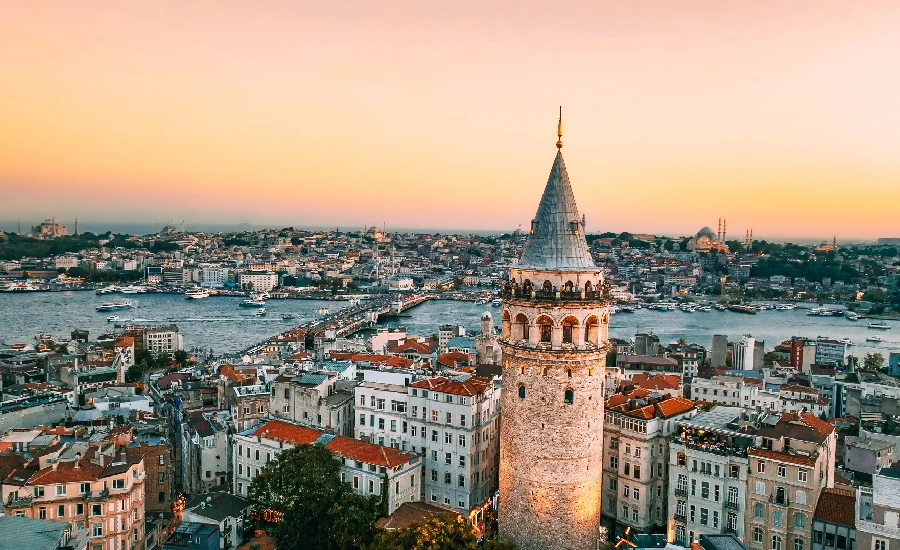
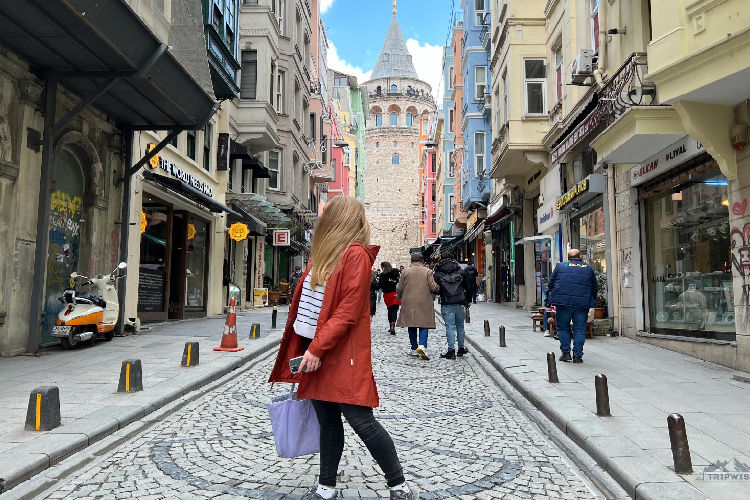
Galata/Beyoglu: This is the European side, north of the Golden Horn. It’s got the vibe. There are young people, cafes, bars, actual restaurants where locals eat.
Galata has narrow winding streets, converted Ottoman buildings, tons of character. It’s still touristy but way less than Sultanahmet. You can actually find good food at reasonable prices. There are actual bars and nightlife.
Beyoglu is the main commercial street. It’s chaotic and loud but it’s real Istanbul. Not theme park Istanbul.
This is where I’d stay first time if I were smart about it.
Balat: West of Galata, across the Golden Horn. It’s a traditional neighborhood that’s become trendy without losing its soul.
Narrow streets, old wooden Ottoman houses painted in bright colors, coffee shops, bookstores, young people renovating old places. It’s bohemian but not in a fake way.
It’s where locals hang out now. It’s less touristy than Sultanahmet but still accessible. You can eat incredible cheap food. There’s actual neighborhood vibe.
I loved Balat. It felt like a real neighborhood where people actually lived.
Besiktas: North side, near the water. Residential feeling, local restaurants, less touristy.
It’s further from the famous sights but it’s more real Istanbul. You’ll see how normal people actually live.
Where I’d Actually Stay: Balat or lower Beyoglu. You get neighborhood vibe but still accessible to sights. You can find good food at local prices. It’s not theme park Istanbul.
Hotels in Sultanahmet: €80-150 usually. Tourist pricing.
Hotels in Balat/Beyoglu: €50-100. Better value. Actual character.
Top Things to Actually Do
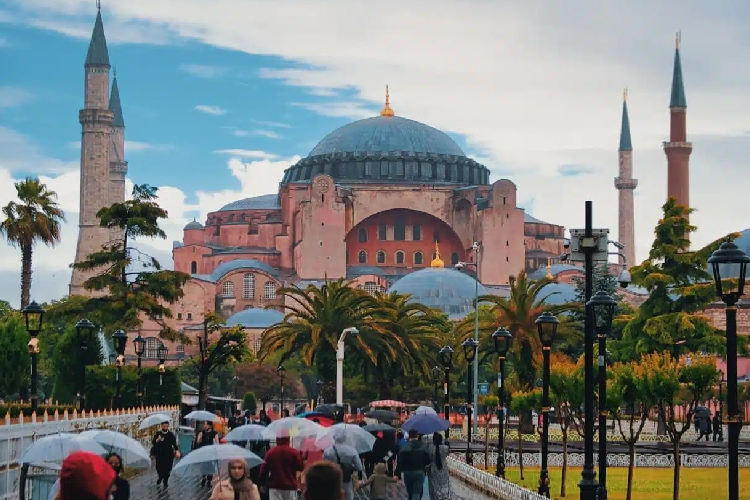
Hagia Sophia (but do it right): Okay yeah it’s famous but it’s famous because it’s actually incredible.
Go early. Like when they open. Beat the crowds. There’s a moment when the light comes through the dome and it’s genuinely one of the most impressive buildings you’ll ever see.
The engineering is insane. It’s a massive dome that was built like 1500 years ago and somehow it’s still standing and it’s still beautiful.
Don’t go during the middle of the day. You’ll be packed in with thousands of other tourists and you won’t experience anything. You’ll just be pushing through crowds.
Time: 1-2 hours.
Cost: Like 30 Turkish Lira (around $1).
Blue Mosque: Right across from Hagia Sophia.
It’s blue. It’s got amazing tilework inside. The architecture is beautiful.
Go early also. Same issue as Hagia Sophia with crowds.
Be respectful. It’s a functioning mosque. Dress appropriately. Take off your shoes.
Time: 45 minutes.
Cost: Free.
Topkapi Palace: Ottoman palace museum.
This takes longer but it’s worth it. It’s basically a museum of Ottoman history. There’s the treasury with jewels and gold. There’s the harem. There’s the administration buildings.
It’s a lot. Like you could spend half a day here easily.
Go early to beat crowds. Rent an audioguide. Don’t try to see everything, you’ll be exhausted. Pick what interests you.
Time: 2-3 hours minimum.
Cost: 100 Turkish Lira (around $3).
Blue Mosque to Hagia Sophia walk: Literally just walk between these two. The neighborhood is beautiful. The buildings are incredible. The atmosphere is amazing.
This is one of the best parts of Istanbul. Just existing in this area.
Grand Bazaar: It’s massive. It’s overwhelming. It’s chaos.
But it’s an experience. It’s been operating for like 500 years. There’s thousands of shops. The energy is intense.
Don’t go looking to buy stuff. Just go to experience it. Wander around. Get lost. Drink tea with a shop owner. See how chaos is organized.
Go early. Go late. Avoid midday when it’s most crowded.
Time: 2-3 hours.
Cost: Free to walk around. You’ll probably spend money on tea or snacks.
Spice Bazaar: Smaller than Grand Bazaar. Actually focused on spices and food.
This is better for first-timers than Grand Bazaar because it’s less overwhelming but still has great vibe.
Time: 1 hour.
Cost: Same as Grand Bazaar.
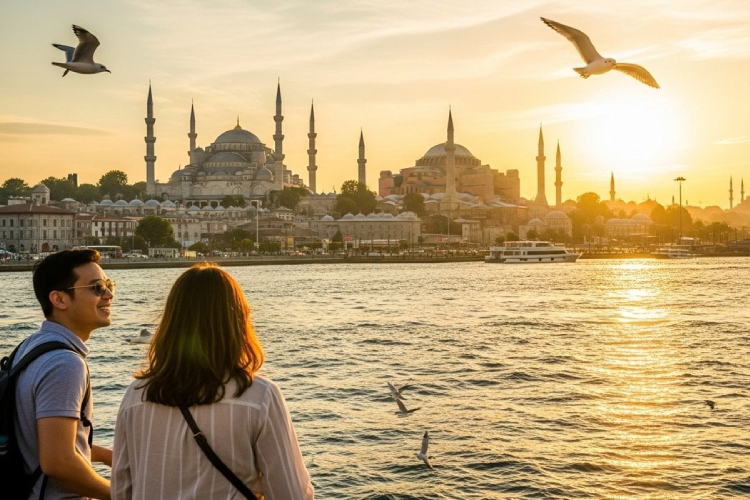
Golden Horn Ferries: Take a ferry across the Golden Horn or up the Bosphorus.
This is cheap, it’s beautiful, and it shows you the city from the water. You’ll see neighborhoods from a different perspective. The light is good in late afternoon.
Time: 30 minutes to 2 hours depending on which ferry.
Cost: Like 5-10 Turkish Lira.
Street Food Tour (not organized, just eat stuff): Walk around neighborhoods and eat from street vendors.
Simit (sesame bread), fresh juice, kebab, pastries, boiled chickpeas, roasted corn.
This is where the best food is. Not expensive restaurants. Street food.
Time: 2-3 hours.
Cost: $10-15 for multiple items.
Neighborhoods That Actually Matter
Sultanahmet: Historic, touristy, you have to see it but it’s not where you experience real Istanbul.
Galata/Beyoglu: Actual neighborhood vibe, good food, nightlife, young people, bookstores, cafes.
Balat: Trendy but real, colorful streets, local coffee shops, bookstores, young creative people.
Besiktas: Waterfront, residential, local restaurants, less touristy.
Ortakoy: Waterfront village vibe, nice for sunset, more upscale, still got character.
Cihangir: Small neighborhood with bars and cafes, artsy vibe, good food.
What to Actually Eat
Kebab: Street kebab, not restaurant kebab. From a guy with a cart. Fifty cents. Incredible.
Fish sandwich: From a boat on the water. Called balik ekmek. Super cheap, so good.
Menemen: Eggs with vegetables and cheese. Turkish breakfast. $2-3 from a local place.
Pastries: Baklava, borek, everything. From a bakery. Cheap.
Meze: Assorted small plates. Hummus, eggplant, vegetables, cheese. Sit with other people usually.
Street juice: Fresh squeezed orange juice or pomegranate. From a guy with a juicer.
Tea and coffee: Turkish tea is like 1 Turkish Lira. Turkish coffee is 2-3. Sit with it for an hour.
Where to eat: Don’t eat where tourists eat. Find where locals eat. That’s where the good food is.
How Many Days Do You Actually Need?
Three days is bare minimum. You can see the main stuff but you’re rushing.
Four-five days is good. You can see the sights, explore neighborhoods, experience the vibe.
A week is great. You can really settle in, explore, experience.
I’d do at least four days first time.
Budget Estimate
Hotels: $50-100 per night depending on neighborhood.
Food: $2-10 per meal if you’re eating local. $15-25 if you’re eating tourist restaurants.
Sights: Most major sights are cheap. Like $1-3 each.
Transport: Public transport is incredibly cheap. Like 10 Turkish Lira for a ride.
Daily budget: $30-50 if you’re careful. $75-100 if you’re not worried.
Travel Tips That Actually Matter
Get a Contactless Card: Istanbul is moving to cards fast. Cash still works but cards are easier.
Use public transport: Metro, tram, buses. It’s cheap and actually works well.
Walk everywhere: The best way to understand Istanbul is walking. Get lost intentionally.
Learn a few Turkish words: People appreciate effort. “Merhaba” (hello), “Teşekkür ederim” (thank you).
Eat where you see locals eating: If there’s a line of Turkish people, it’s good. Go there.
Don’t take taxis: Use Metro or Uber. Taxis are sometimes dodgy.
Dress appropriately: For religious sites, cover shoulders and knees.
Get a hotel with good location: The neighborhood matters more than the hotel. Being in Balat versus Sultanahmet is everything.
Mistakes First-Timers Make
Staying only in Sultanahmet: You miss the actual city. Stay there for sights, sleep elsewhere.
Only doing famous sights: Hagia Sophia and Blue Mosque are great but they’re not Istanbul. The neighborhoods are Istanbul.
Eating at tourist restaurants: The food is mediocre and expensive. Eat where locals eat.
Trying to do too much in too little time: You’ll be exhausted and miss the vibe. Go slower.
Not taking ferries: This is how you see the city. Take ferries.
Being scared of getting lost: Get lost. That’s when the best stuff happens.
Not learning basic Turkish: People appreciate it. The effort matters.
Going in summer if it’s your first time: Spring or fall is so much better.
FAQs
Is Istanbul safe?
Yeah it’s safe. Normal city precautions. Don’t carry everything with you. Use hotel safe.
Do I need Turkish language?
No. English works in tourist areas. Learning some words helps.
What's the best neighborhood for first-timers?
Balat or Beyoglu. You get neighborhood vibe and accessibility.
How much money should I bring?
$100-200 is plenty for a week if you’re eating local.
Should I do a tour?
You don’t need one. Walking around yourself is better. Maybe hire a local guide for a neighborhood tour.
Is it better than other Mediterranean cities?
It’s different. More history, more chaos, more authentic feeling. You’ll know if it’s for you.
Final Thoughts
Istanbul will kick your ass the first few days. You’ll be overwhelmed. You’ll want to leave.
Stay through day three. By then you’ll understand it. By the end of the week you won’t want to leave.
The chaos is the point. The overwhelming energy is the point. The history stacked on top of each other is the point.
Get lost in Balat. Eat street food. Take ferries. Sit in tea gardens. Watch people play backgammon.
That’s Istanbul.