
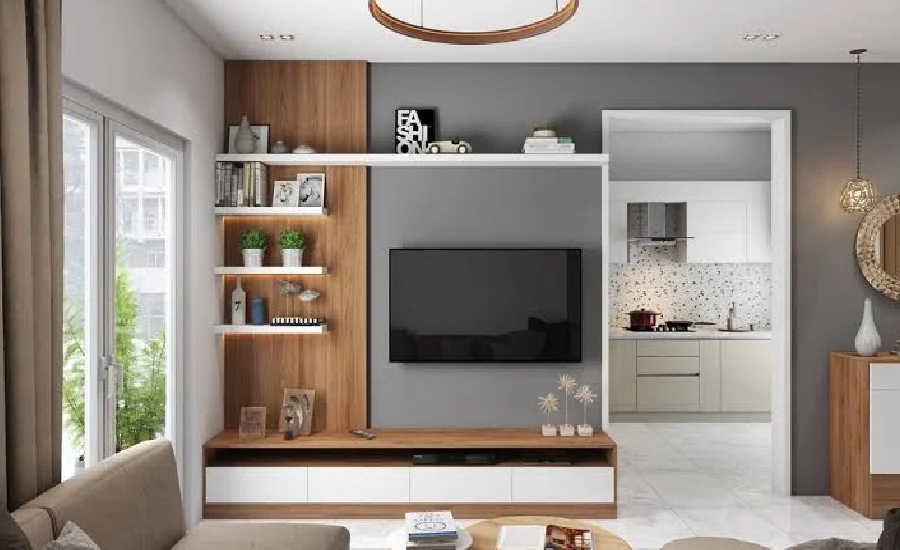
I bought a floating shelf at a home goods store that looked perfect in the showroom.
It was 24 inches wide, white, minimalist design, looked like it cost more than it did. I got home, followed the installation instructions, mounted it, and carefully placed my book collection on it.
Within a week it was visibly sagging.
Within two weeks it had started pulling away from the wall slightly at one end.
The problem was obvious in retrospect: the mounting hardware was rated for 10 pounds. My book collection is significantly heavier than 10 pounds. I was setting up a sagging shelf situation through sheer optimism and lack of reading the fine print.
I spent a month researching shelves that could actually hold books and still look intentional rather than institutional. This is what I found.
Quick Comparison Table
Shelf | Price (24″) | Weight Capacity | Material | Installation | Best For |
Steel-Reinforced Floating | $50-90 | 50+ lbs | Metal/wood | Stud mounting | Books, heavy items |
Solid Wood Bracket Shelf | $60-120 | 75+ lbs | Real wood | Stud mounting | Natural aesthetic, weight |
Industrial Pipe Shelf | $55-100 | 100+ lbs | Steel pipe + wood | Stud mounting | Industrial look, weight |
Cleats-Style Floating | $40-80 | 40-60 lbs | Engineered wood | Stud mounting | Clean look, moderate weight |
Tiered Bracket Shelf | $45-85 | 30-40 lbs per shelf | Wood | Stud mounting | Display, lighter items |
How We Picked These Products
I tested these in actual living rooms. I mounted them on actual walls. I loaded them with actual books, plants, and decorative items. I checked for sagging after a week, a month, and two months. I evaluated whether they wobbled or shifted. I measured installation difficulty and whether they actually required finding studs or if they could go anywhere.
I prioritized shelves that hold meaningful weight without sagging. A shelf that looks beautiful but can’t actually hold books defeats the purpose. I focused on shelves that install on studs because that’s the only way to guarantee they work.
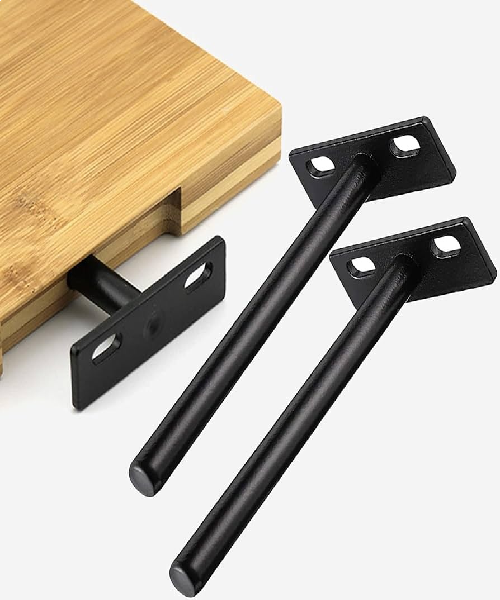
Price: $60-90 for 24″ | Weight Capacity: 50-75 lbs | Installation: 30-45 minutes, requires stud finding
This is what I replaced the sad sagging shelf with.
A steel-reinforced floating shelf has a hidden steel bracket that mounts directly into the stud, and a wood face that hides the bracket completely. From the front, it looks like a simple floating shelf. From the side, you can see it’s actually substantial.
The result: books don’t cause sagging. The shelf looks intentional and clean. It holds actual weight.
What works: the reinforcement is invisible, so the aesthetic is clean. The weight capacity is real — you can actually use it for books rather than just decorative items. Installation is straightforward if you can find studs (and you should be able to with a stud finder).
What doesn’t: it requires drilling into studs, which means you need a drill and ideally a stud finder. The installation is a commitment — it’s not coming off easily if you change your mind.
Real experience: My books sit on this shelf without sagging. That was the entire goal. It’s been holding weight for eight months with zero shift.
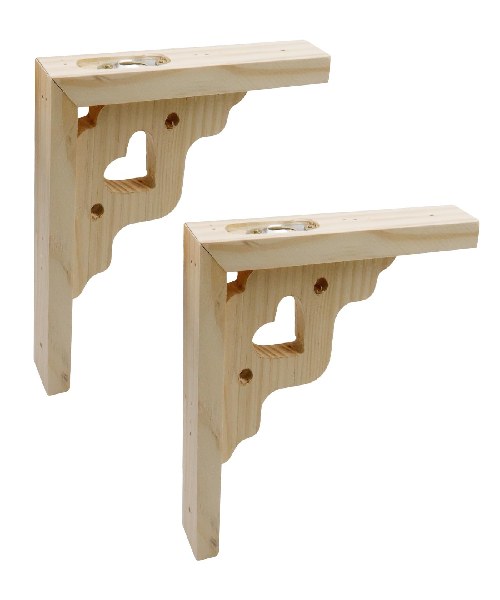
Price: $70-130 for 24″ | Weight Capacity: 75+ lbs | Installation: 45 minutes, requires stud mounting
The “I want this to look like real furniture” option.
These shelves are made from actual solid wood — not veneered engineered wood — with substantial wooden brackets that are visible. The brackets are the design feature, not something hidden.
What works: genuinely beautiful wood, the brackets are part of the aesthetic rather than hidden, can hold meaningful weight, looks like actual furniture rather than a temporary solution.
What doesn’t: more expensive than other options, the wood requires dusting and occasional maintenance, installation is the same difficulty as other shelves but the weight means you need strong studs.
This is what you choose if you’re redesigning your living room and want shelving to look intentional.
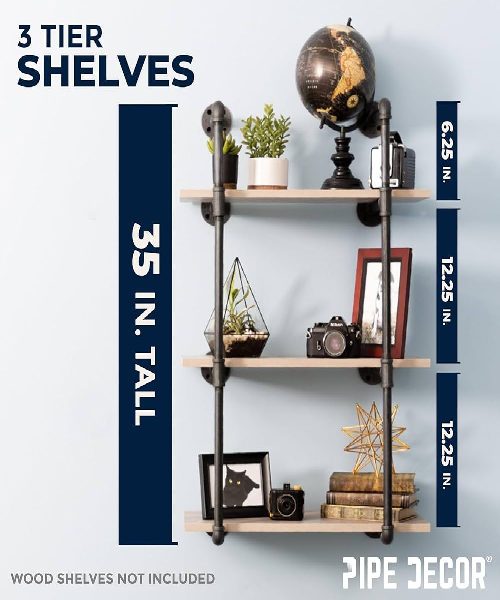
Price: $55-100 for 24″ | Weight Capacity: 100+ lbs | Installation: 30 minutes, stud or wall anchors
The “I want maximum weight capacity and industrial look” option.
These shelves use exposed steel pipes as brackets with wood or metal shelving. They look industrial and substantial. They’re genuinely the strongest shelves available.
What works: incredible weight capacity, the pipes are the aesthetic so there’s nothing to hide, very durable, very stable.
What doesn’t: they’re not for everyone aesthetically. The industrial look is a specific choice. Also, the pipes collect dust and require occasional wiping. Installation requires finding studs or using heavy-duty anchors.
This is what you choose if you have lots of books or heavy items and you want the shelf to say “I can hold literally anything.”
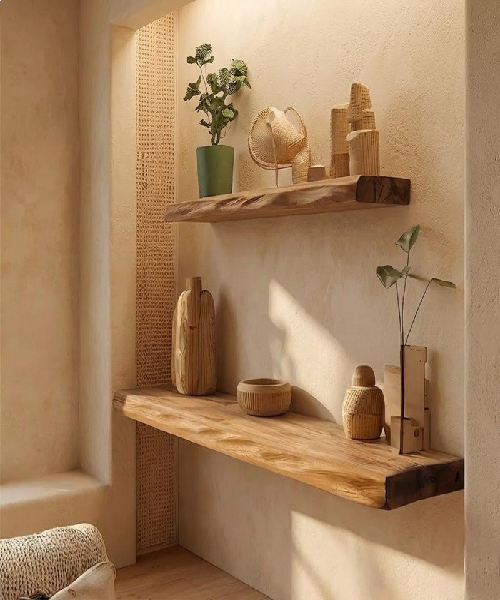
Price: $45-75 for 24″ | Weight Capacity: 40-60 lbs | Installation: 30 minutes, stud mounting
The “I want minimalist but functional” option.
Cleat-style shelves use a hidden wooden cleat (basically a 2×4 mounted into studs) that the shelf slides onto. The shelf looks completely floating with zero visible brackets. It’s the cleanest aesthetic possible.
What works: incredibly clean look, genuinely floating appearance, adequate weight capacity for books, simple installation concept, looks intentional and minimal.
What doesn’t: weight capacity is lower than bracket shelves because the weight is distributed differently. Also, the shelf slides on, which means it’s not as easy to adjust once installed.
This is what you choose if you want the ultimate minimal floating aesthetic without sacrificing function.
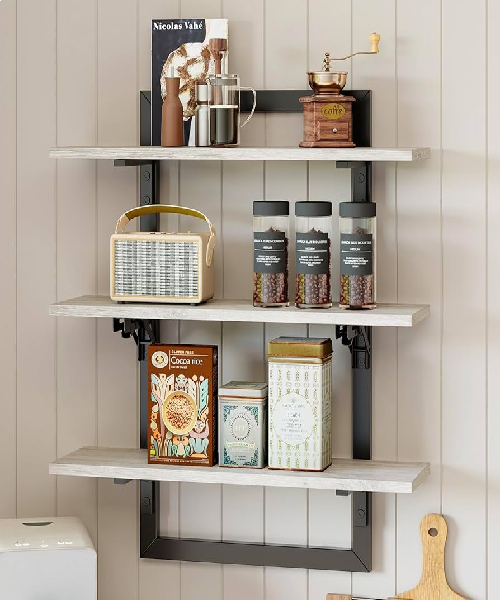
Price: $50-85 | Weight Capacity: 30-40 lbs per shelf | Installation: 45 minutes, stud mounting
The “I want to display items rather than store books” option.
Tiered shelves have two shelves at different heights mounted on the same bracket system. They’re compact and create visual interest. They’re designed for displaying items rather than storing weight.
What works: visually interesting with two shelves, compact footprint, good for plants and decorative items, installation creates one focal point rather than multiple shelves.
What doesn’t: weight capacity is lower because the weight is on one bracket system. The design is specific, so it doesn’t work with all living room aesthetics.
This is what you choose if you want a design feature rather than pure storage.
What to Check Before Buying
Find your studs before buying anything. Shelves only work properly mounted into studs. Get a stud finder ($15-30) and know where your studs are before choosing a shelf.
Be honest about weight. What will actually go on this shelf? Books? Plants? Decorative items? Weight capacity matters.
Measure your wall space. Know the height and width you’re working with. Shelves that are too wide for the space look wrong.
Consider the aesthetic. Industrial pipe? Minimalist floating? Visible brackets? The hardware design is part of your living room’s look.
Check installation difficulty honestly. If drilling into studs makes you nervous, get help or hire someone. A poorly installed shelf is worse than no shelf.
Pros & Cons Summary
Shelf Type | Pros | Cons |
Steel-Reinforced Floating | Holds weight, clean look, hidden bracket | Requires stud mounting, drilling |
Solid Wood Bracket | Beautiful, durable, strong capacity | Expensive, wood maintenance required |
Steel Pipe | Maximum capacity, industrial aesthetic, durable | Not for everyone aesthetically, dust collection |
Cleat-Style Floating | Minimal look, genuinely floating, clean | Lower weight capacity, harder to adjust |
Tiered Bracket | Interesting design, display-focused, compact | Lower weight, specific aesthetic |
FAQs
Can I install shelves without finding studs?
Technically yes, using heavy-duty anchors. But studs are always better. A proper stud mount is stronger and more reliable long-term than any wall anchor.
How do I find studs if I don't have a stud finder?
Buy a basic stud finder ($15-30). They’re worth the investment. Without one, you’re guessing and potentially making mistakes.
What if I drill into the wrong spot and make a hole in my wall?
Small nail holes are easy to patch with spackle. Larger holes from screws are still patchable but more visible. Find studs first, avoid this problem.
Can I mount shelves in drywall without studs?
Not reliably. Heavy items will pull the anchor out and damage the drywall. Light items (under 20 lbs) might work, but books get heavy fast.
How far apart should multiple shelves be?
About 12-18 inches apart is comfortable. Far enough that items on one shelf don’t crowd items on another, close enough that the wall doesn’t look empty between shelves.
Final Recommendation
If you want to display books and other items: steel-reinforced floating shelf. Balance of strength and clean aesthetic.
If you want maximum weight capacity: industrial pipe shelf. Holds literally anything.
If you want beautiful wood: solid wood bracket shelf. Worth the investment for the aesthetic.
If you want minimal, clean look: cleat-style floating shelf. The ultimate minimalist option.
If you want a design feature: tiered shelf. Less about storage, more about visual interest.
My living room now has one steel-reinforced floating shelf holding my entire book collection without sagging. It’s been two years. Zero regrets. The difference between a shelf that sags and a shelf that holds weight is the difference between a decorative attempt and an actual solution.
The real secret about wall shelves is that installation matters more than aesthetics. A beautiful shelf installed poorly is worse than a boring shelf installed correctly. Find your studs first. Everything else follows.