

I know this person who is genuinely wealthy.
Like they have serious money.
But they live like they don’t have money.
They drive a ten-year-old car. They buy cheap groceries. They never goes to restaurants.
And like… they seem miserable about it.
Not happy about being smart with money.
Miserable about not spending money.
Like they’re depriving themselves.
That’s not budget lifestyle.
That’s just being scared to spend money.
Budget lifestyle is a choice.
You’re choosing to spend less because you’re prioritizing something else.
Like maybe you’re choosing to spend less on coffee so you can spend more on travel.
Or less on stuff so you can save for a house.
It’s intentional.
It’s not fear-based.
The difference matters.
One person feels rich because they’re being smart.
Another person feels poor because they’re scared.
Same spending. Totally different feeling.
The Real Difference Between Budget Lifestyle And Actually Being Poor
Budget lifestyle: you’re choosing to spend less because you’re prioritizing something else.
Being poor: you don’t have money. You can’t spend money on anything.
This is an important distinction.
Budget lifestyle is empowering.
Being poor is stressful.
Budget lifestyle is “I’m spending less on this because I’m being intentional.”
Being poor is “I can’t afford anything.”
Budget lifestyle is “I’m making coffee at home because I’m smart with money.”
Being poor is “I’m making coffee at home because I can’t afford coffee shops.”
Same action. Completely different psychological experience.
When you’re doing budget lifestyle by choice, you feel smart.
When you’re doing it because you have no choice, you feel poor.
The psychology matters.
So the key to budget lifestyle is keeping it intentional and empowering, not depressing and forced.
Tip 1: Buy Cheap Food And Actually Cook It Well

You don’t need expensive ingredients to eat well.
This is the thing people don’t get.
They think budget eating means sad food.
Like boiled chicken and rice every day.
That sounds terrible.
But actually, cheap ingredients can taste incredible if you know how to cook them.
Rice and beans are cheap.
But rice and beans with good spices?
Like cumin and garlic and chili powder?
That tastes amazing.
Potatoes are cheap.
But potatoes roasted with olive oil and salt and garlic?
That’s delicious.
Eggs are cheap.
Scrambled eggs with cheese and hot sauce and toast?
That’s good.
The difference between expensive food and cheap food isn’t always the ingredients.
It’s often the preparation and the seasoning.
A fifty-euro steak from a fancy restaurant tastes good because of how it’s cooked and seasoned.
A five-euro steak from the grocery store can taste almost as good if you cook it well and season it well.
You don’t need expensive ingredients.
You need to know how to make what you have taste good.
Budget eating isn’t sad eating.
It’s just eating stuff you cook yourself instead of paying someone to cook it.
Tip 2: Make Your Own Coffee (This Is The Biggest Money-Saver Honestly)

Okay I mentioned this before but seriously.
Coffee shop coffee: thirty euros per week is normal.
That’s one thousand five hundred euros per year.
Home coffee: three euros per week is normal.
The difference: twenty-seven euros per week.
Over one thousand euros per year.
That’s a plane ticket.
That’s rent for a month.
That’s significant money.
And you can make coffee at home that tastes ninety percent as good as coffee shop coffee.
You don’t have to sacrifice quality.
You just have to spend two minutes making it.
Get a decent coffee maker. Like thirty to fifty euros.
Get decent coffee beans. Like eight euros per kilogram.
Now you have good coffee at home for fifty cents per cup.
Tip 3: Unsubscribe From Everything You're Not Using (Free Money)
If you have seven subscriptions and you’re using two, cancel five.
Don’t feel guilty.
You’re not depriving yourself.
You’re just stopping wasteful spending.
The stuff you’re not using isn’t providing value.
Cancel it.
If you decide you want it later, you can resubscribe.
But honestly you won’t want it later because if you actually wanted it, you’d be using it.
Tip 4: Meal Prep So You Have Food Ready (The Secret Weapon)

Meal prepping is honestly the single most effective money-saving hack for food.
If you have food ready at home, you won’t order delivery.
If you won’t order delivery, you save tons of money.
Meal prep doesn’t have to be complicated.
Like seriously don’t stress about it.
Just cook a batch of rice. Cook a batch of beans. Cook a batch of vegetables. Maybe some chicken.
Mix and match throughout the week.
Two hours on Sunday.
Five days of food ready.
Cost: maybe forty to fifty euros for the week.
Versus one hundred plus euros if you’re ordering delivery.
The difference: fifty to sixty euros per week.
Two hundred to two hundred forty euros per month.
Two thousand four hundred to two thousand eight hundred euros per year.
That’s real money.
Tip 5: Use Coupons And Buy Generic Brands (Seriously Works)
Generic brands are usually the exact same thing as name brands.
Like generic cereal is literally the same as brand-name cereal.
Generic painkillers are the same as brand-name painkillers.
Generic peanut butter is the same as brand-name peanut butter.
You’re literally just paying extra for the label.
Don’t do that.
Buy generic.
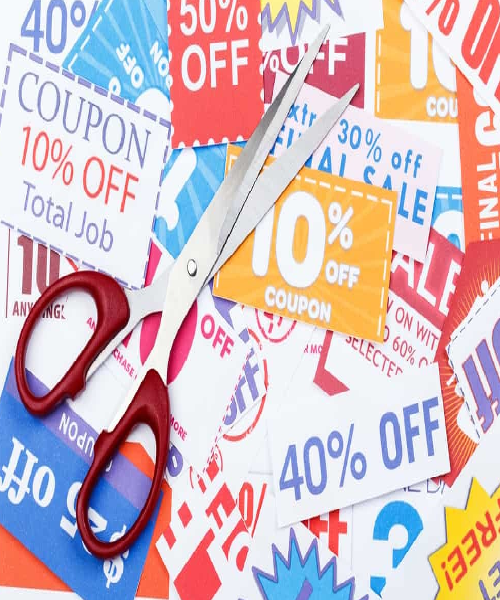
Also use coupons if you’re going to buy something anyway.
Don’t buy stuff just because there’s a coupon.
That’s dumb.
But if you were going to buy it anyway, use the coupon.
Sign up for store loyalty programs. They often have coupons and deals for members.
Tip 6: Walk Or Use Public Transport Instead Of Driving

If you live in a city with decent public transport, use it.
The cost is way less than driving.
Gas, insurance, maintenance, parking, car payment.
It all adds up.
Public transport is like fifty euros per month if you take it daily.
Driving is probably three hundred plus euros per month when you add everything up.
If you can walk somewhere instead of driving, walk.
You save money and get exercise.
Win-win.
Tip 7: Buy Clothes That Last Instead Of Buying Cheap Clothes Constantly

This sounds counterintuitive for budget lifestyle.
But cheap clothes that fall apart after two wears cost more than quality clothes that last years.
A fifteen-euro shirt that falls apart after one month is more expensive than a forty-euro shirt that lasts two years.
If you wear the forty-euro shirt fifty times, it costs eighty cents per wear.
If you wear the fifteen-euro shirt five times, it costs three euros per wear.
The cheap shirt is more expensive.
Don’t buy cheap clothes that are poorly made.
Buy fewer clothes but better quality.
They last longer and actually look better.
Tip 8: Use Free Entertainment (It's Everywhere)
Free entertainment exists everywhere.
Movies in parks. Free museum hours. Hiking. Walking. Reading books from the library. Hanging with friends.
Going to the movies costs twenty euros.
Watching a movie at home costs nothing.
Going to a concert costs fifty euros.
Listening to music at home costs nothing.
The point: most entertainment can be free or very cheap.
Things Worth Spending Money On (In A Budget Lifestyle)
Time with friends and family. Social connection is worth money. Genuinely.
Health. Good food, exercise, sleep. Don’t cheap out on these.
Learning. Books, classes, courses. If you want to learn something, spend money.
Hobbies that bring you joy. If something makes you happy, it’s worth spending on.
Quality items that last. One good thing beats five mediocre things.
Budget Products That Actually Help
Slow cooker: €30-50. Makes cheap meat taste incredible.
Rice cooker: €20-40. Perfect rice without monitoring.
Food storage containers: €20-40 for a set. Essential for meal prep.
Reusable grocery bags: €5-15. Saves you from buying bags.
Water pitcher with filter: €15-30. Filtered water at home is cheaper than bottled.
Library card: Free. Access to thousands of books.
How Much Can You Actually Save
Real talk: the amount you save depends on where you’re starting from.
If you’re already living frugally, you might save fifty euros per month.
If you’re spending a ton on delivery, coffee, and subscriptions, you could save two hundred to four hundred euros per month.
That’s real money.
Over a year that’s six hundred to four thousand eight hundred euros.
That’s significant.
The Mindset Shift That Matters
The key to budget lifestyle is mindset.
It’s not about feeling poor.
It’s about being intentional.
You’re choosing where your money goes.
You’re not wastefully spending on things you don’t care about.
You’re spending on things that matter to you.
That’s not deprivation.
That’s smart.
That’s empowering.
FAQs
Is budget lifestyle just for poor people?
No. Wealthy people often live budget lifestyles. They just do it intentionally.
Will I feel like I'm missing out?
Only if you think you should be spending more. If you’re intentional, you won’t feel deprived.
Can I still have fun?
Yes. Fun is usually free or cheap. Restaurants and shopping are expensive, but they’re not the only fun.
How do I start?
Track your spending for one month. See where your money goes. Cut the wasteful stuff.
Is meal prepping really worth it?
Yes. It saves money and time during the week.
Can I have a social life on a budget?
Yes. Invite friends over for cheap food. Go for hikes. Do free stuff.
Final Thought
Budget lifestyle isn’t about suffering.
It’s about being intentional with money.
It’s about cutting wasteful spending so you can spend on things that matter.
Once you shift your mindset from “I can’t spend money” to “I’m choosing where my money goes,” everything changes.
You feel empowered, not deprived.