
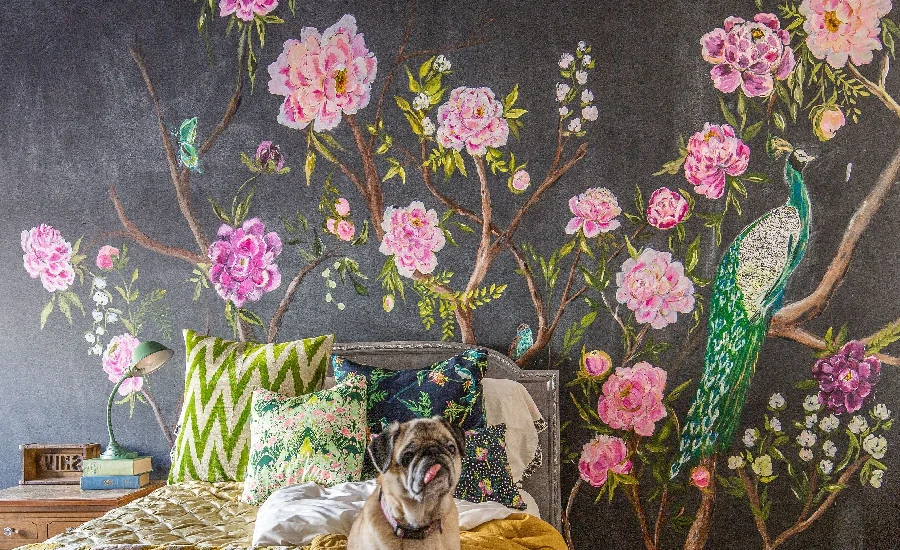
I painted one wall of my bedroom dark blue on a complete whim and it changed how I feel in that room.
That’s it. That’s the entire story. One wall. Different color. Everything else stayed the same.
Before: beige room, standard, forgettable.
After: beige room with one dark blue wall, and the whole room suddenly feels intentional.
I expected to hate it. I was “testing” the color before committing. Four years later, I still haven’t changed it.
The Problem: A Room That Could Be Anything
My bedroom was a blank slate in the worst way. Blank as in forgettable. Blank as in I had no strong feelings about it one way or another. Blank as in functional but uninspiring.
The walls were this soft beige that every rental apartment in America has. The furniture was standard. The lighting was standard. The room had no personality because I’d never given it any.
I felt like the room was just something that happened to me instead of something I’d created or chosen.
The Idea: One Accent Wall
I’d been looking at design inspo on Pinterest (mistake, Pinterest is unrealistic) and kept seeing these bedrooms with one dark wall that made the whole room feel intentional.
I thought about doing it. Thought about it for six months. Procrastinated. Made excuses. Then one weekend I was at a paint store for an unrelated project and bought paint.
One gallon of a deep blue-gray color. Didn’t overthink it. Just bought it.
Budget and Timeline
- Paint: $35 (one gallon of good paint)
- Primer: $20
- Supplies (brush, roller, tape, drop cloth): $15
- Total: $70
- Time: 4 hours actual painting time
Step 1: Choosing the Wall (This Matters More Than You'd Think)
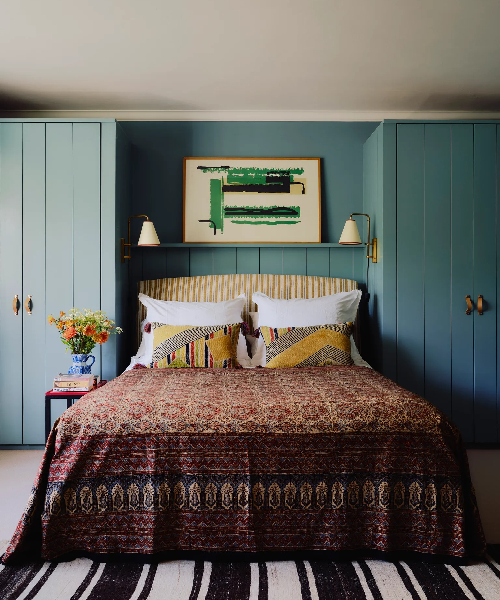
I chose the wall behind my bed. The wall you see when you’re lying in bed. The wall that’s the visual focal point of the room.
Not a random wall. The wall that matters.
If you’re going to paint one wall a bold color, paint the wall that has visual impact. Typically that’s the wall behind the bed, the wall opposite the door, or the wall with a window.
I measured it, looked at the room proportions, and confirmed it was the right choice.
Step 2: Prep Work (1 hour)
I moved the bed away from the wall. Covered the floors with drop cloth. Taped around the edges of the wall using painter’s tape.
This step is boring and essential. Bad prep results in paint on places you don’t want it.
Honest detail: I taped the edges and then painted over a little bit of the tape getting paint on the adjacent wall. Not a disaster but annoying. Better tape technique would have prevented it.
Step 3: Priming (1 hour)
I primer-ed the wall first. This matters because:
- The primer ensures even coverage
- The dark paint color requires primer to look right (without primer, the existing wall color shows through)
- One coat of primer + one coat of paint is faster than multiple coats of paint
I used a brush around the edges and a roller for the main wall area.
Step 4: Painting (1.5 hours)
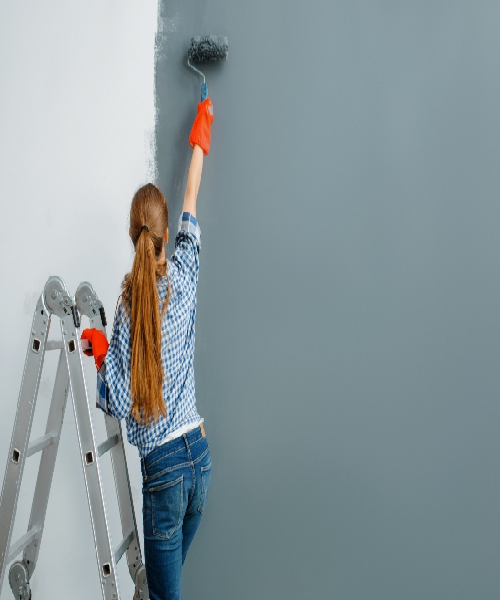
Once the primer dried, I painted with the actual color. One coat was enough with good primer.
I used a quality brush for edges and a good roller for the main area. Took my time. Let it dry completely before removing tape.
The color went on better than I expected. It looked intentional immediately.
Step 5: Finishing Touches and Styling (30 minutes)
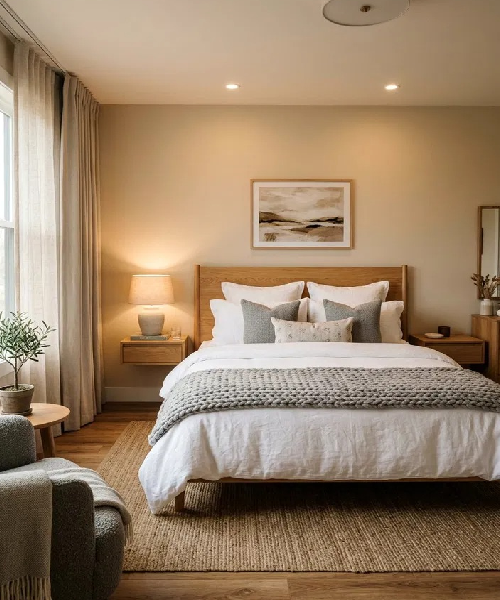
Once the paint was dry, I put the bed back. Added some styling: better bedding, a piece of art on the wall, better lighting.
The dark wall became the focal point of the room. Everything else looked better because there was now a clear color palette.
Before vs After
Before: Beige room, furniture, standard. You could describe this room by saying “bedroom with a bed.” Not memorable.
After: Bedroom with intentional color. You describe this as “bedroom with the dark blue wall.” Memorable. Has personality.
The rest of the room stayed the same. Paint color on one wall changed everything.
Why One Accent Wall Works
An accent wall:
- Gives the room a focal point
- Creates a color palette everything else hangs off
- Makes the room feel intentional
- Costs significantly less than painting all walls
- Looks sophisticated when done right
What I Would Do Differently
Color intensity: I might have gone slightly lighter. The dark blue is moody and beautiful but occasionally makes the room feel smaller. A slightly lighter version of the same color would be more versatile.
Styling after: I immediately styled the wall with art and better bedding. That part I’d do the same way — the wall needs something to anchor it visually.
Testing first: I wish I’d tested the color on the wall for a few days before committing. I got lucky that I loved it immediately, but testing is smart.
Products Used
- Paint: Benjamin Moore HC-162 (or similar deep blue-gray)
- Primer: Basic white primer
- Brush: Quality 2.5-inch brush
- Roller: 3/8-nap roller with handle
- Tape: Painter’s tape
- Drop cloth: Canvas drop cloth
- Bedding: New sheets and duvet that complement the color
- Art: Large piece or multiple smaller pieces for the wall
Common Accent Wall Mistakes
Choosing a wall that doesn’t make sense. The wall should be the natural focal point or the wall you see most from the bed/door.
Not priming properly. Dark colors on unprimed walls look uneven. Prime first.
Painting straight over the existing color. Multiple coats of paint over the existing wall color look wrong. Prime first, paint once.
Choosing a color that’s too bold. Intense colors look good in photos. They’re harder to live with daily. Go slightly lighter than your Pinterest inspiration.
Not styling the wall after painting. A painted accent wall without art or styling looks unfinished. Add something visual to anchor it.
Taping wrong. Take time with tape. Tape prevents mistakes and makes cleanup easy.
FAQs
Does an accent wall make a room look smaller?
Depends on the color. Dark colors can make a room feel smaller. Light accent colors don’t. Consider room size when choosing color.
What if I hate it after painting?
It’s one wall. Paint over it. The beauty of starting with one accent wall is that you can adjust without major commitment.
Should I paint the wall the whole way or in a geometric shape?
Paint the whole wall. Geometric patterns are trendy in photos but look dated quickly. A full wall of solid color is timeless.
What's the best wall to choose?
The wall you see most from the bed, the wall opposite the door, or the wall with a window. These have visual impact.
Can I do an accent wall in a small room?
Yes, but go with a lighter color. Dark colors can overwhelm small spaces. A light blue or soft green works better than a dark color.
Final Result
My bedroom went from “this is a room” to “this is a room I created.”
The dark blue wall is the first thing anyone mentions when they visit. It changed how I feel in the space. It made me care about styling other parts of the room because there was now a color palette to work from.
A $35 can of paint created this shift. That’s the whole transformation.
The experiment that was supposed to be temporary became permanent because it worked. Four years later, I still love it.
One accent wall is the easiest DIY project that creates the biggest impact. If you’re intimidated by DIY, start here.