
I found a photo of myself from 2005 while cleaning out my phone’s backed-up camera roll last winter.
I’m standing outside somewhere — looks like a mall parking lot, which tracks for 2005 — in a pair of low-rise khaki capris, white sneakers with a slight platform, and a fitted tee with a graphic on it that I genuinely cannot read in the photo but am certain was not subtle. I’m smiling. I look happy. I was clearly having a good day and I had absolutely no idea what the outfit was doing to my proportions.
I looked at that photo for a while. Not with regret — I don’t have outfit regret for things I wore before I knew better, that seems like a waste of energy. More with a kind of detached analytical interest. Because I’ve been writing about capri pants for months now, and looking at my 2005 self was like looking at the exact problem made physical.
The low rise. The mid-calf hem hitting my leg at its widest point. The platform sneaker creating a visual block right at the hem. Three things working against each other simultaneously. I looked shorter than I actually am, my proportions looked off in a way that was hard to pin down, and the outfit had this overall quality of having just happened rather than having been considered.
That photo is useful to me now. Because when I try to explain what’s different about capri pants in 2026 — and something genuinely is different, this isn’t just fashion people deciding to declare something back — I come back to that parking lot photo as the clearest possible illustration of the gap between then and now.
Same garment name. Completely different result.
The Quick Version
Capri pants in 2026 are higher-waisted, more structured, and styled with intentional elevated pieces — pointed shoes, tailored tops, considered accessories — rather than casual basics. The old way was low-rise, thin fabric, worn with whatever. The new way treats the capri as a fashion piece that needs context. That context is what makes everything work differently.
What the Old Way Actually Was — Being Specific About It
Before getting into the new approach, I want to be concrete about the old one. Not to criticize anyone who wore capris in 2004 — I just showed you my parking lot photo, I’m obviously not in a position to judge — but because understanding specifically what didn’t work is the only way to understand why the changes matter.
The 2000s capri had several specific characteristics that combined badly.
The rise sat at or below the hip. Not dramatically low, but low enough that the natural waist wasn’t defined. Which meant there was no visual anchor point — no place where the eye paused and registered the shape of the body before traveling down toward the hem. It just went from hip to mid-calf in one uninterrupted, slightly shapeless line.
The fabric was often thin. Slightly stretchy, occasionally with a faint sheen to it, the kind of fabric that wrinkled within an hour and clung in unflattering ways by afternoon. It didn’t hold any shape. It just sort of sat on the body and did whatever it wanted.
The hem landed mid-calf. Which sounds neutral but is actually the most anatomically difficult point for a horizontal cut on most bodies — it tends to fall at or near the widest part of the calf, creating a visual break right where the leg is broadest.
And then the shoes. Sneakers, mostly. Platform sandals. Flip-flops. Rounded-toe flats. Every shoe choice added visual bulk or stopped the leg line abruptly right where the hem had already created a horizontal break.
The result was the thing everyone remembers and nobody wants to go back to. Legs that looked divided. Proportions that looked off for no immediately obvious reason. An overall quality of “I got dressed” rather than “I got dressed intentionally.”
That version of capri pants deserved its reputation. The problem is that reputation followed the name into the present even as the garment itself changed considerably.
Here's What Specifically Changed — Not Vaguely, But Actually
The rise went to the natural waist.
This is the change that does the most work. The high-waisted capri sits at the narrowest point of the torso — the actual waist, not the hip — and creates a clear visual anchor. The eye finds the waist first, then travels down the leg. That starting point being high on the body visually lengthens everything below it. The leg appears to begin higher than it actually does. The overall silhouette has shape and intention.
One designer whose brand makes capris put it clearly when talking about their 2026 collection: the higher rise and clean waistband instantly modernizes the shape. The capris of the past felt lower-rise and more casual in fabrication. The shift now is toward precision.
Precision. That word keeps coming up in how the current version gets described, and it’s the right word. The high waist is precise. It means something. The old low rise was imprecise — it sat wherever it happened to sit.
The fabric got structured.
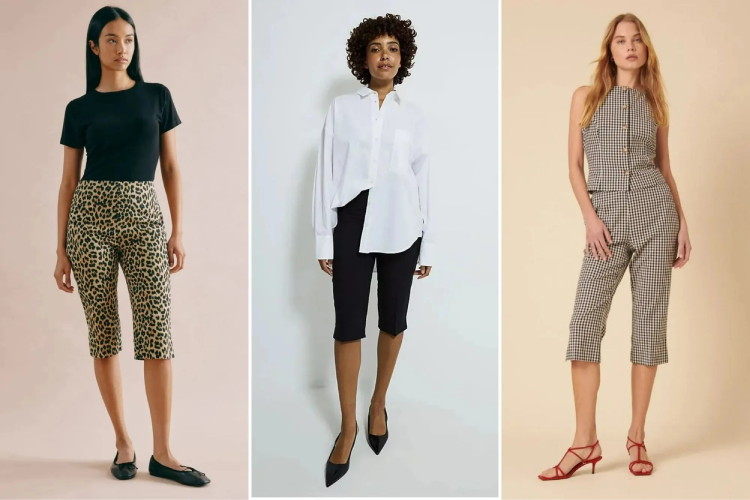
The new versions that are actually working — on runways, in good stores, on the women who are wearing them well — are made from ponte, cotton-twill, structured linen, or quality denim with real weight. These fabrics hold their shape. They drape with intention. They don’t cling or wrinkle immediately. When you pick them up they have presence. When you wear them they behave.
This sounds like a minor detail. It’s not. A lot of the difference between the capri that looked cheap and the capri that looks chic is literally the fabric. Same silhouette, same cut, completely different result depending on whether the material has structure or doesn’t.
The hem placement got reconsidered.
The best current versions tend to hit the leg at a cleaner point — either closer to the ankle, where the leg is slimmer and the horizontal cut doesn’t create a wide visual break, or right at a specific point that works with the body’s proportions rather than against them. This isn’t universal — there are still plenty of mid-calf styles out there — but the ones being featured on runways and styled by people who know what they’re doing tend to avoid the widest calf zone deliberately.
The styling approach changed completely.
This might be the biggest shift of all, because it’s not about the garment itself but about the attitude brought to wearing it.
The old way treated capri pants as a casual bottom. You threw them on with whatever. Sneakers, flip-flops, a basic tee. No thought required. The capri was the path of least resistance.
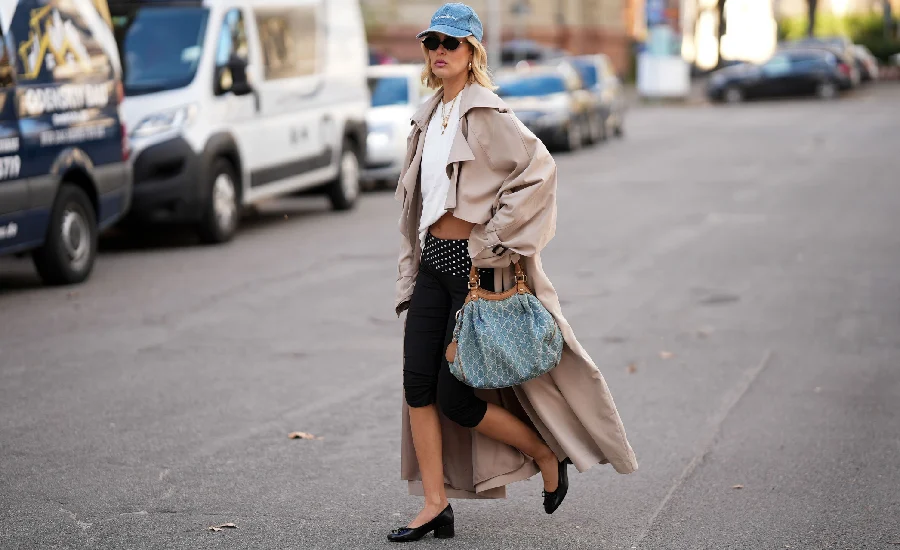
The new way treats the capri as a deliberate silhouette that requires context. Pointed kitten heels, slingback flats, silk blouses, structured blazers, tailored coats. The capri is the foundation of an outfit rather than a casual default.
Ralph Lauren’s Spring 2026 runway: black capri trousers with an oversized cinched button-down and woven peep-toe heels. Proenza Schouler: capris with evening pieces and statement shoes. Sandy Liang: lace and floral versions styled with considered accessories.
Nobody on those runways was wearing capris with a graphic tee and white sneakers. The shoes were doing something specific. The tops were doing something specific. Everything around the capri was treating it as a fashion piece.
That’s the new way. The pants didn’t change alone. The entire approach to wearing them changed.
The New Approach in Practice — What It Actually Looks Like Day to Day
With a blazer, it’s a different outfit than it used to be.
Old approach: capris were the casual end of an outfit. Adding a blazer would have felt forced or strange because the pants were so casual that the blazer had nothing to work with.
New approach: high-waisted tailored capri trousers in navy or charcoal with a structured blazer reads as a considered professional outfit. The pants are structured enough, the rise is sharp enough, the silhouette is clean enough that the blazer has something to anchor to. The combination works in a meeting. It works for a lunch with clients. It works in business-casual contexts where the old capri would have felt completely out of place.
With a silk top, it changes the register entirely.
The old capri with a silk top would have created a mismatch — casual bottom, dressy top, nothing connecting them. The new capri’s structured fabric and high rise can hold a silk top the same way a good trouser can. The combination reads as elevated rather than conflicted. A satin cami tucked into high-waisted black capris and worn with a kitten heel looks like a complete outfit someone deliberately assembled. That was not achievable with the old version.
With a pointed flat, it becomes about intention.
Old way: casual flat with capris = unremarkable. New way: pointed flat with capris = the leg line continues past the hem, the silhouette reads as considered, the whole thing looks like a person made choices.
Same flatness. Same heel height. Same comfort level. Different toe shape. Different visual outcome. The pointed flat in 2026 is not a compromise shoe — it’s a styling tool. Wearing it with capris specifically is an intentional decision that produces a specific result.
With a tucked-in top, the waist becomes the point.
The high rise creates a waist point. Tucking in a fitted top or a silk blouse frames that waist point and makes it the visual anchor of the outfit. The eye lands on the waist first, then travels downward. On the old low-rise capri, there was no waist to frame. Tucking in a top just moved fabric around without creating any real effect.
The new approach uses the high waist as the structural argument for the whole outfit. Tuck in to show it. Build the rest of the look around it. That’s new thinking that the garment now actually supports.
The New Occasions Capri Pants Work For (That the Old Ones Didn't)
The office.
Not every office, not a formal environment, but in business-casual contexts the current version absolutely works. High-waisted tailored capri trousers, a structured blazer, a silk blouse, a pointed slingback flat. This outfit reads as professional and considered. The old version — mid-rise, thin fabric, sneakers or casual flat — could never have made that case.
An evening out.
Black slim capris, satin cami, heeled mule or strappy sandal, simple gold jewelry. The structured fabric and the elevated shoes create an evening register that casual capris couldn’t reach. The old capri was never going to a dinner reservation. The new one goes, without anyone thinking twice.

A serious style statement.
There’s a version of this trend that’s genuinely fashion-forward — the denim capri with a cropped knit, a baby tee ending exactly at the waistband, a pointed kitten heel, a considered bag. This isn’t casual dressing. It’s a knowing fashion reference, worn with full awareness of its history and its current context. The old capri was accidental. The new capri can be very deliberate. That’s a different kind of garment.
The New Outfit Formulas — Side by Side With the Old Ones
Then: Mid-rise khaki capris, graphic tee untucked, platform sneaker. Now: High-waisted tailored capris, fitted white tee half-tucked, pointed black ballet flat. What changed: Rise, tuck, toe shape. Everything the eye reads is different.
Then: Low-rise denim capris, flip-flops, tank top. Now: High-waisted slim denim capris, cropped knit ending at the waistband, pointed kitten heel. What changed: Rise, hem placement, top length, shoe. The whole proportional argument shifted.
Then: Stretch capris, white sneakers, cotton button-down left open. Now: Ponte or structured capris, silk blouse fully tucked, pointed slingback flat. What changed: Fabric, tuck, shoe. The outfit went from casual default to intentional choice.
Then: Wide-leg capris, chunky flat sandals, oversized tee. Now: Wide-leg linen capris, fitted tank half-tucked, pointed mule with small heel. What changed: Tuck, shoe shape, heel height. The wide-leg capri now has a counterbalance it didn’t have before.
Practical Notes on Making the New Approach Work
You have to think about the shoes first. Not last. Not as an afterthought. The new way of wearing capris depends on the shoe doing specific visual work — pointing the toe, continuing the leg line, keeping the ankle zone clean. When you’re planning the outfit, start with the shoe and build up rather than choosing the pants and top and then grabbing whatever.
The fabric genuinely matters. If the capri is thin and stretchy, the new approach doesn’t work because the fabric won’t hold the silhouette that the approach requires. Pick up the pants before you try them on. Feel the weight. You want structure, not stretch.
The tuck is not optional. I’ve said this in multiple articles and it keeps being the thing people skip. The high waist creates a waist point. The tuck makes that point visible. Cover the waistband with a baggy top and you’ve removed the structural argument for the whole silhouette. Half-tuck the front if a full tuck feels like too much. But show the waistband.
Start with the simplest version. High-waisted black tailored capris, fitted white tee half-tucked, pointed flat. That combination proves the new approach works before you add variables. Once you’ve seen what it looks like on your body, you can build from there.
The Mistakes That Accidentally Recreate the Old Version
Buying mid-rise because they fit better through the hip. A mid-rise capri recreates the old proportions regardless of everything else being right. The waist definition is the structural change. Without it you’re back in 2005.
Wearing them with casual round-toe shoes because they’re comfortable. The toe shape is the visual difference between old way and new way in a single detail. Round toe = old approach. Pointed toe = new approach. This is the most visible single change and it costs nothing if you already own a pointed flat.
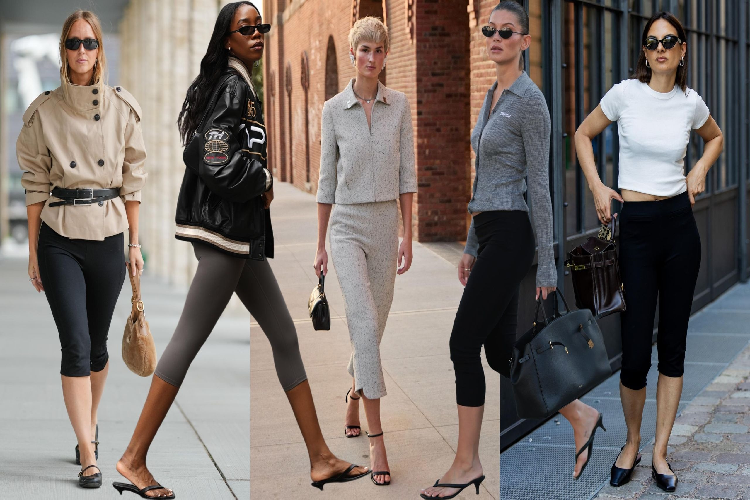
Buying thin fabric capris because they were inexpensive. The thin fabric was part of what made the old version look cheap and casual. The new approach requires structure. You can find structured capris at affordable prices — it’s about fabric choice, not budget.
Leaving the top untucked completely. Untucked top on low-rise capri = the old way. Tucked or half-tucked top on high-waisted capri = the new way. The tuck is what activates the high rise.
Who This Is For
Anyone who loved capri pants when they were everywhere in 2004 but felt vaguely ashamed of that and would like permission to revisit the category — the new version is significantly better and you have full permission.
Anyone who tried capri pants recently, felt like something was off, but couldn’t identify what. The off-ness was probably the shoes, the rise, or the top. The new approach addresses all three.
Anyone who’s seen the current version on someone else and thought it looked genuinely good but couldn’t figure out what they were doing differently from the version you remember. This article is the breakdown of exactly what they were doing differently.
Anyone who is comfortable in the oversized silhouette but wants something with more structure for specific situations. The tailored high-waisted capri gives you that structure without requiring you to change your whole approach to dressing.
FAQs
If I buy capri pants from a current retailer will they automatically be the new version? Not automatically. Some retailers are selling both the new structured high-waisted version and older style mid-rise or low-rise versions. Check the rise first — it should sit at or near the natural waist. Then check the fabric. If both of those are right, you have the new version. If either is off, you have the old approach regardless of the year on the label.
Is the new way of wearing capris more effort than the old way? Different effort, not more effort. The old way required no thought — you just put them on with whatever. The new way requires thinking about three specific things: the shoe toe shape, the top tuck, and the rise. Once you know those three things, it becomes automatic. It’s not more complex. It’s just differently conscious.
Can I wear the new capri approach with sneakers at all? With a very slim, clean sneaker with a relatively pointed or almond toe — the minimal leather low-top type — in some casual combinations, yes. The moment the sneaker gets chunky, thick-soled, or round-toed, it recreates the old visual result. The new approach requires the foot zone to be clean and pointed. Some sneakers qualify. Most don’t.
My capris from a few years ago are high-waisted. Can I use the new approach with them? If they’re genuinely high-waisted and the fabric has some structure, possibly yes. The main variables to check: where the hem lands on your calf (lower is better), whether the fabric holds its shape, and whether the silhouette is clean rather than athletic or vague. If all of those work, the old pants can be worn with the new approach.
What’s the fastest single change to make the new approach work if I already own capri pants? The shoe. Specifically the toe shape. If you own capri pants and have been wearing them with rounded or chunky shoes, swap to anything with a pointed or almond toe and a slim profile. That single change will visibly shift how the whole outfit reads — without buying anything new.
Final Thoughts
I think about that parking lot photo sometimes when I’m putting together a capri outfit now.
Not with embarrassment. With something more like appreciation for how useful a bad example can be. Because every specific thing that was wrong in that photo is directly connected to something specific I know to do differently now. Low rise became high waist. Platform sneaker became pointed flat. Untucked billowing became half-tucked fitted. Mid-calf at widest point became lower hem with cleaner placement.
The outfit in the photo wasn’t wrong because capri pants are bad. It was wrong because every variable was the wrong version of itself. And those variables are all fixable. That’s the whole story of the new approach — not a new silhouette, not a new trend, just every variable corrected to its better version.
Same name. Different garment. Different outcome.
The parking lot photo stays backed up on my phone though. Useful reference.