
I landed in Tokyo and thought I’d made a mistake.
Like immediately. Within the first hour.
Everything was neon. Everything was loud. Everyone was moving hyper-fast. Trains packed. Streets chaos. Signs I couldn’t read. People pushing you along.
I stood outside my hotel for two hours trying to process what was happening.
Tokyo is sensory overload. Complete overwhelming overload.
But here’s the thing: after a few days you stop noticing. Chaos becomes normal.
And you realize Tokyo is actually incredible.
It’s clean. Everything works. Trains run perfectly. Restaurants are amazing. Energy is intense but not aggressive.
But you have to survive the first few days of “what the hell is this place” to get to “I never want to leave.”
Why Tokyo Is Worth The Chaos
It’s genuinely unique. Nothing else like it.
Food is life-changing. Every meal incredible. Street food, restaurants, convenience stores, everything good.
Infrastructure is incredible. Trains work perfectly. Everything connects. Navigation is easy once you understand it.
Energy is insane. Chaotic but organized somehow. Everything happening constantly.
Neighborhoods are incredibly distinct. Each area has its own complete vibe.
It’s safe. Crime is almost nonexistent. Walk anywhere any time.
It’s clean. Almost no trash on streets.
But first few days are hard. Sensory input overwhelming. Crowds intense. Language is a barrier.
You have to be okay with that.
When to Go
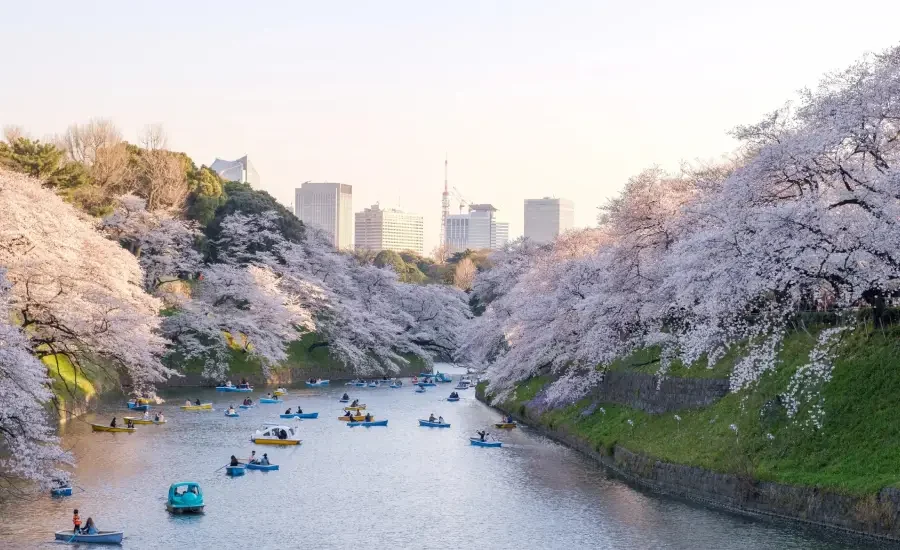
March-April (cherry blossoms) and October-November (fall) perfect.
Spring beautiful but crowded because of blossoms.
Summer hot, humid, crowded.
Winter cold but less crowded, cheaper.
First time, go spring or fall.
Where to Stay
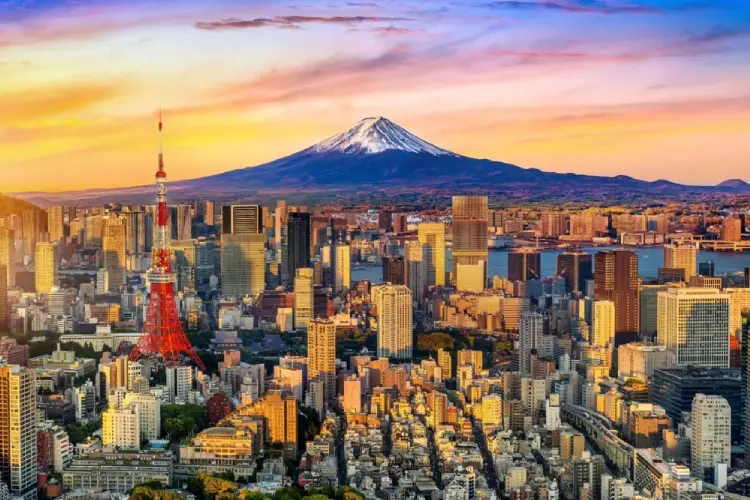
Shinjuku: Entertainment, massive crowds, bright lights, chaos.
Intense. Tokyo amplified. Good for experiencing intensity but exhausting.
Shibuya: Young people, shopping, nightlife, expensive.
Similar to Shinjuku. Fun but overwhelming.
Harajuku: Fashion, young people, Instagram-y, shopping.
Cool vibe but touristy and pricey.
Asakusa: Traditional vibe, temple, older architecture, tourists with local feel.
Nice balance. More accessible, less pure chaos.
Ikebukuro: Quieter than Shinjuku. Residential feeling.
Good neighborhood vibe. Less intense.
Shimokitazawa: Bohemian, small bars, live music, creative vibe.
Excellent neighborhood. Real Tokyo. Young people. Good energy.
Nakameguro: Hip, trendy, good restaurants, upscale.
Nice vibe. Good food. Not too touristy.
Koenji: Artsy neighborhood. Vintage shops. Alternative vibe.
Excellent neighborhood vibe.
My choice: Asakusa for accessibility and local feel. Shimokitazawa for neighborhood vibe. Nakameguro for balance.
Top Things
Tsukiji Outer Market: Fish market, street food, sushi.
Early morning energy. Incredible food.
Go early. Breakfast sushi from market stall mind-blowing.
Time: 1-2 hours.
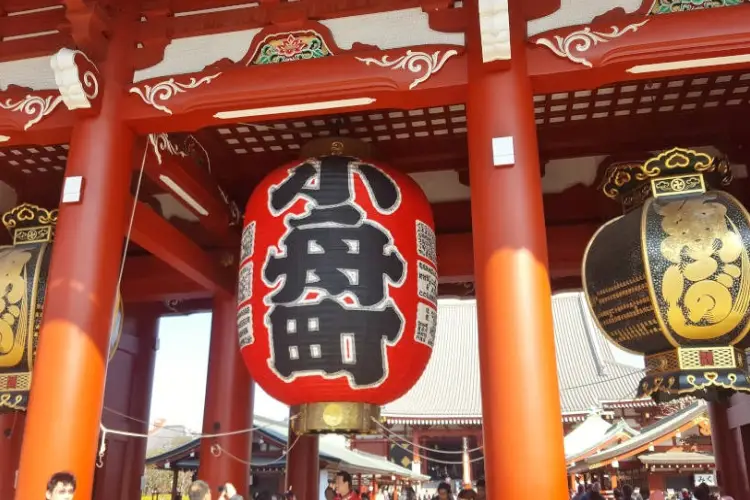
Senso-ji Temple: Asakusa’s main temple.
Beautiful and touristy. Go early before crowds.
Street leading up (Nakamise) has shops and street food.
Time: 1-2 hours.
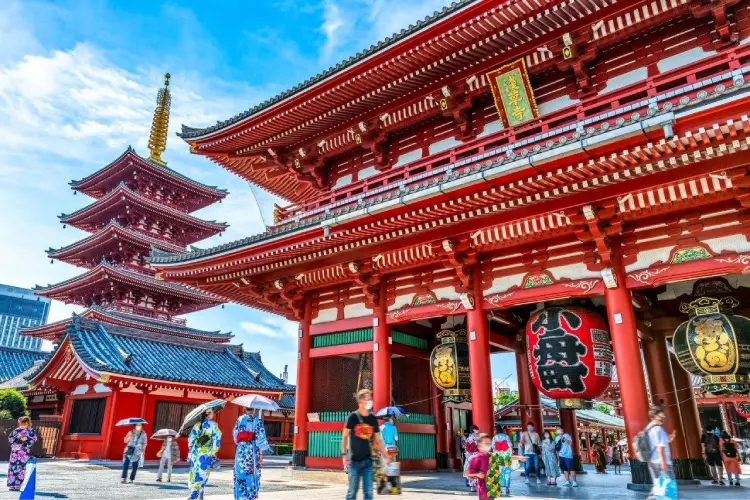
Senso-ji Temple: Asakusa’s main temple.
Beautiful and touristy. Go early before crowds.
Street leading up (Nakamise) has shops and street food.
Time: 1-2 hours.
Shibuya Crossing: Famous intersection with tons of people.
Busy, intense. Worth seeing once.
Go early morning for less chaos. Late evening for more energy.
Time: 30 minutes.
Shinjuku Viewing Platforms: Free views from buildings.
Better than paying for observation decks.
Tokyo Metropolitan Government Building free.
Time: 1 hour.
Train Travel: Just riding trains is experience.
Trains incredible. Clean, efficient, organized.
Watch how people behave. Cultural experience.
Department Stores: Food halls (depachika) amazing prepared food.
Shinjuku, Shibuya, Ikebukuro have major ones.
Time: 1-2 hours.
Neighborhood Exploring: Walk around Asakusa, Shimokitazawa, Nakameguro, Koenji.
Real Tokyo is here.
Time: 2-4 hours per neighborhood.
Karaoke: Rent private room.
Japanese culture. Fun. Cheap.
Cost: ¥2,000-3,000 for few hours.
Izakaya Bar Hopping: Small bars where locals drink.
Every neighborhood has them.
Order drinks and food. Socialize. Experience local vibe.
Where to Eat
Ramen. Noodles in broth. Amazing variations. ¥800-1,200.
Sushi. At markets, restaurants, everywhere. Incredible.
Tonkatsu. Fried pork cutlet. Perfect. ¥1,000-1,500.
Okonomiyaki. Savory pancake. Cooked in front of you. ¥800-1,200.
Tempura. Fried vegetables and seafood. ¥1,500-2,500.
Yakitori. Grilled chicken skewers. ¥100-300 per skewer.
Edamame. Boiled soybeans. ¥300.
Convenience store food. 7-Eleven, Family Mart good prepared food. ¥300-500.
Depachika food. Department store food halls. Incredible. ¥1,500-3,000.
Street food. Takoyaki, okonomiyaki. ¥200-500.
How Many Days
Four days minimum. Need time to adjust and explore.
Five-six days ideal. Experience neighborhoods, don’t rush.
Week great. Get past shock, settle in.
I’d do at least five days.
Budget
Hotels: ¥8,000-15,000 per night (€60-110).
Food: ¥1,000-3,000 per meal (€8-25).
Sights: most free or very cheap.
Transport: Suica card, ¥2,000 worth good for few days.
Daily budget: ¥5,000-10,000 (€40-80) if budget-conscious.
Tips
Get Suica Card. Prepaid for trains, buses, stores. So useful.
Get IC pasmo card. Alternative to Suica.
Use Google Maps. English signs aren’t always there.
Learn basic Japanese. “Arigatou” (thank you), “Sumimasen” (excuse me).
Eat at convenience stores. Good cheap food.
Try vending machines. Everywhere. Coffee, juice, weird stuff.
Take baths. Japanese baths cultural experience.
Don’t expect everyone to speak English.
Be respectful of culture. Remove shoes when needed. Quiet on trains.
Mistakes
Only staying in Shinjuku/Shibuya. You see chaos but miss city.
Not using trains. Taxis expensive. Trains cheap and efficient.
Spending all time in famous attractions. Neighborhoods are better.
Not eating at local restaurants. Try everything.
Getting overwhelmed and hiding in hotel. Get out. Chaos becomes normal.
Not getting Suica card. Makes everything easier.
Trying to do too much. Tokyo big. See less, experience more.
FAQs
Is it safe?
Yes. Incredibly safe.
Do I need Japanese?
No. English works in tourist areas. Learning words helps.
How do trains work?
Easy once you understand. Suica card works everywhere.
Best neighborhood?
Depends what you want. Asakusa accessible. Shimokitazawa for vibe.
Should I see famous attractions?
You don’t have to. Neighborhood exploring better.
Is food really that good?
Yes. Better than you think.
How much money?
¥50,000-100,000 for week (€400-800) reasonable.
Final Thought
Tokyo overwhelms you initially. That’s normal.
Don’t spend all time in famous attractions. Explore neighborhoods.
Eat constantly. Every meal good.
Ride trains. Understand how they work. Cultural experience.
Get past shock. By day three understand why people love Tokyo.