
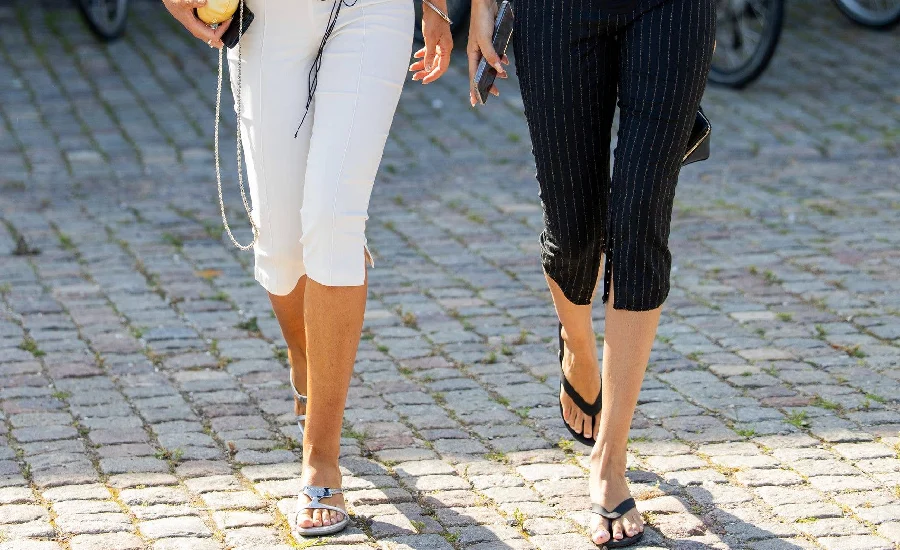
Three people in my life bought capri pants in April without talking to each other.
My coworker showed up to the office in a pair of high-waisted navy ones on a Tuesday and I said something about them and she said she’d just grabbed them on a whim. My friend texted me a photo from a dressing room the following Saturday — different city, different store — asking if they looked as good as she thought they did. They did. And then my neighbor, who I’d describe as someone whose relationship with fashion trends is more accidental than intentional, came back from a weekend trip with a pair of wide-leg linen capris that she’d bought because they were comfortable and she liked them and she didn’t know they were trending and honestly that might be the purest endorsement a trend can get.
Three people. April. No coordination. Zero overlap in their shopping habits or style influences.
That’s when I knew something real was happening.
Not the fashion week coverage. Not the search data. Not Bella Hadid in a runway look. The three completely unconnected women in my orbit independently deciding, for their own reasons, that capri pants were the answer to something. That’s how you know a trend has moved from the editorial phase into the actual-people phase. And once it hits the actual-people phase, it tends to stick.
So I’ve been thinking about why. Not just “Y2K nostalgia” — that’s the easy answer and it’s incomplete. The full answer is more interesting.
The Short Version First
Capri pants are back because they solve a real problem, they fit a cultural moment that’s been building for two years, and the version available now looks genuinely different from the one that damaged their reputation. Search interest jumped over 150% in 2026. Major designers put them on runways. Real people started buying them. And the “how to wear them” question has a cleaner, simpler answer than most people expect — which this article covers in the second half.
Reason One: They Fill a Gap That Nothing Else Fills Cleanly
This is the least glamorous reason and also the most honest one.
Summer dressing has always had a problem in the middle. Shorts exist on one end — comfortable, cool, appropriate for roughly 60% of summer situations but not all of them. Full-length trousers exist on the other end — polished, versatile, completely miserable in July heat unless you’re in very good air conditioning. And then there’s this awkward no-man’s-land between them where nothing quite works.
Midi skirts? Good option, not for everyone, not for every situation. Linen wide-leg pants? Getting warmer but still full-length. Bermuda shorts? Long shorts are their own conversation. Nothing has ever fully cracked the “cooler than pants but more polished than shorts” problem.
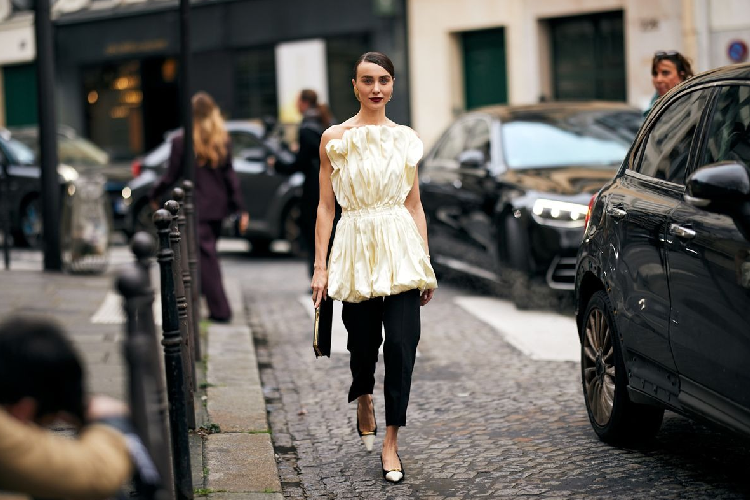
Capri pants, worn the right way, crack it.
They expose enough of the lower leg to actually feel cool in warm weather. They have enough coverage and structure to read as an intentional outfit piece rather than something you threw on for a barbecue. They photograph better than shorts in almost every context. And when the cut is right — high-waisted, structured fabric, clean silhouette — they have a kind of effortless polish that’s genuinely hard to get from any other warm-weather bottom.
My coworker said something when I asked about the navy pair. She said she’d been standing in her closet at 7:30am trying to figure out what to wear to a meeting that was also partly outdoors and the capris were just the answer. Not because she was thinking about trends. Because they solved the problem on the rack in front of her.
That kind of practical utility is what keeps a trend past its initial wave. People don’t keep buying things because they’re on runways. They keep buying things because they work.
Reason Two: Fashion Is Rehabilitating "Ugly" Trends Deliberately Now
Something shifted in fashion culture over the last few years that I think explains a lot of what we’re seeing with capris specifically.
There used to be a pretty clear line between what was fashionable and what was not, and once something crossed to the unfashionable side it stayed there for a long time. Capri pants crossed that line sometime around 2008 and spent a solid decade being used as a punchline. The butt of jokes about what not to wear. The example people gave when they wanted to describe something that was definitively over.
But fashion in the 2020s has developed a specific appetite for exactly those items. The things that were declared dead. The things people were confidently mocking. There’s a whole aesthetic built around the knowing rehabilitation of “bad” fashion — wearing something divisive with full awareness of its reputation, which turns the divisiveness itself into a style statement. You’re not wearing capri pants because you don’t know they’re controversial. You’re wearing them because you do know and you’re choosing them anyway.
That posture — ironic confidence, deliberate unfashionability worn with fashion-forward intention — is genuinely influential right now. And capri pants fit it perfectly. They’re not just a trend. They’re a test. The people who wear them well are implicitly saying: I know the history, I know the jokes, I’ve seen the evolution, and I’m comfortable making this choice.
That’s a different kind of fashion confidence than just wearing what’s obviously on-trend. It’s more interesting. Which is partly why it’s catching on with people who actually care about style rather than just following seasons.
Reason Three: Three Years of Oversized Everything Created an Appetite for Something Cleaner
Wide-leg jeans have been the answer to almost every styling question since approximately 2021. Barrel-leg. Baggy. Oversized everything up top. Relaxed, slouchy, deliberately casual. For a while it felt like the only acceptable silhouette was one that suggested you might be wearing your older sibling’s clothes.
I don’t say this critically — I wore it too, still wear some of it, there are genuinely beautiful versions of the oversized silhouette. But fashion moves in opposition to itself, and after a few years of maximizing relaxed and baggy, there’s an inevitable pull toward something more structured and deliberate.
Capri pants are structured. They’re deliberate. The high waist defines the body rather than hiding it. The cropped length is specific and intentional. The silhouette says: I made choices, I know where my waist is, I am aware of my proportions. After years of fashion that celebrated the opposite of all that, this lands as genuinely fresh.
My neighbor — the one who bought the linen capris without knowing they were trending — said she’d been tired of feeling shapeless. That’s not exactly how she phrased it, but that was the idea. She wanted something that had a shape to it. The capri was the first thing in a while that felt like it had a shape.
Reason Four: The Social Proof Tipping Point
There’s a predictable sequence to how trends move from “this is happening on runways” to “normal people are buying this.”
First a trend shows up in collections. Then fashion editors adopt it. Then stylish celebrities start wearing it — not in campaigns but in their actual life. Then the people who follow those celebrities start wearing it. Then the people who follow those people. And at some point the sheer number of sightings overrides the initial skepticism and people stop needing to be convinced and just start buying.
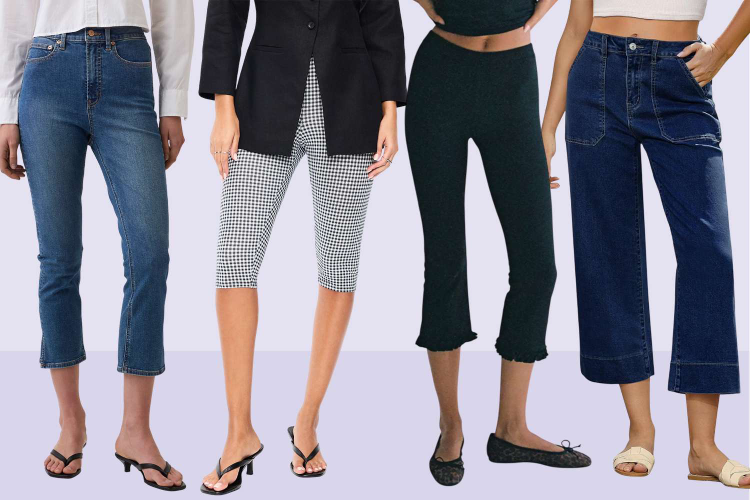
Capris hit that tipping point somewhere around February or March this year. The sightings became too consistent to dismiss. Bella Hadid in a tailored black pair. Sabrina Carpenter in a denim version. Hailey Bieber, Emma Stone, Meghan Markle. Not all in campaign content — in real life, in street photographs, in situations where they’re dressed for actual days rather than shoots.
When you see enough people whose style you respect wearing something and looking genuinely good in it, the internal calculus changes. It stops being “could this work?” and starts being “how would I wear this?” That question shift is everything. My friend’s dressing-room text was that question. She’d crossed the tipping point and just needed confirmation.
Reason Five: Nostalgia With an Edit Feels Better Than Pure Nostalgia
The early 2000s have been cycling through fashion for a while now. Low-rise jeans, baby tees, tiny bags, butterfly clips at fashion week. Most of these revivals work by taking the original concept and making it slightly better — a higher rise on the low-rise jeans, a cleaner cut on the baby tee, a better quality on the micro bag.
Capris went through the same edit. The rise went up. The fabric got structured. The silhouette got cleaner. The styling approach shifted from casual-by-default to intentional-and-elevated. What came out the other end isn’t the thing people remember and don’t love — it’s a version that kept the interesting silhouette and threw out everything that made the original unflattering.
That’s a more sophisticated kind of nostalgia than just bringing something back unchanged. It’s saying: this had something worth keeping, and here’s what that was. That level of discernment tends to produce trends that last longer because they’re based on the actual merit of the garment rather than just the emotional resonance of the era.
Okay — Here's How to Actually Pull Them Off
The why matters for deciding whether to try the trend. The how matters for not regretting it.
I’ve written about capri styling in detail before so I’ll keep this section focused and specific — the things that matter most, not an exhaustive list of everything.
The rise is not optional. High-waisted capris and mid-rise or low-rise capris are producing genuinely different silhouettes. The high waist defines the waist, creates visual length in the leg, and makes the outfit look considered. The low or mid-rise version recreates the 2004 result regardless of how good the fabric is. When you’re shopping, this is the first thing to check — before color, before style, before price.
The shoe is the most important styling decision. Pointed toe, minimal sole. That’s the whole rule. Pointed ballet flat, pointed kitten heel, slim slingback, pointed mule. The pointed toe continues the leg line past the capri hem, which is what makes the cropped length look intentional rather than accidental. A chunky sneaker or a round-toe flat creates a visual block at the hem that breaks the whole silhouette. This sounds like a small detail. It is the largest detail.
The top needs to show the waistband. The high waist is doing structural work and covering it with a baggy or hip-length top removes its benefit. A fitted top, fully or half tucked, keeps the waist visible and the proportions clean. You don’t need to be fully tucked and perfectly pressed — a casual half-tuck, a fitted tank, even a slightly relaxed shirt with just the front tucked works. You just need the waistband to be doing its job.
Fabric matters more than price. The version of capris that damaged their reputation was made from thin, slightly stretchy, occasionally shiny fabric that wrinkled immediately and clung where it shouldn’t. Structured fabric — ponte, cotton-twill, quality linen, denim with actual weight — looks and behaves completely differently. You can find this at almost any price point. Feel the fabric before you buy. You want structure, not stretch.
Try them on with the shoes. Either bring a pair of pointed flats to the fitting room or at least stand on your toes while you’re evaluating the pants. The round-toe sneakers you walked in wearing are giving you incorrect information about whether these pants suit your body. The shoe is half the outfit.
The Combinations That Work Best
For the everyday look most people will reach for constantly: High-waisted black tailored capris, fitted white tee half-tucked at the front, pointed black or nude ballet flats, whatever bag you already own. This works for work, for weekends, for going somewhere after work, for approximately 80% of summer situations. It’s not exciting. It’s just correct.
For something with a little more intention: High-waisted capris in a warm neutral — camel, stone, soft navy — with a silk or satin cami tucked in fully and a pointed kitten heel. This is the outfit that looks effortless but is actually doing several specific things well. The satin creates texture contrast against the matte capri fabric. The kitten heel lifts the whole thing slightly. The neutral color makes the silhouette feel summer-appropriate rather than city-formal.
For the work version: Same tailored capri in navy or charcoal, silk blouse tucked in fully, structured blazer, pointed slingback flat. The blazer takes the capri from “interesting fashion choice” to “considered professional outfit.” Don’t skip the blazer in the work context.
For the Y2K reference done deliberately: High-waisted slim denim capris, white cropped knit or baby tee ending exactly at the waistband (not above it, not below it — right at it), pointed kitten heel, small structured bag. The kitten heel is what makes this look like a fashion choice rather than an accidental throwback. Without it the outfit reads as found. With it the outfit reads as chosen.
For hot days when effort is at a minimum: Wide-leg linen capris in camel or terracotta, oversized linen button-down with just the front loosely tucked, pointed mule sandal or slim thong sandal. Slightly wrinkled linen is completely fine here — it actually adds something. This is the outfit that photographs well in natural light and feels genuinely cool in real heat.
What to Avoid
Wearing them with chunky sneakers or thick-soled sandals. The visual block at the hem is the most consistent way to make a good pair of capris look like a bad decision. Pointed toe and minimal sole, always.
Buying mid-rise thinking it’ll be close enough to high-waisted. It won’t. The waist definition is the structural argument for the whole silhouette. Without it the proportions don’t land the same way.
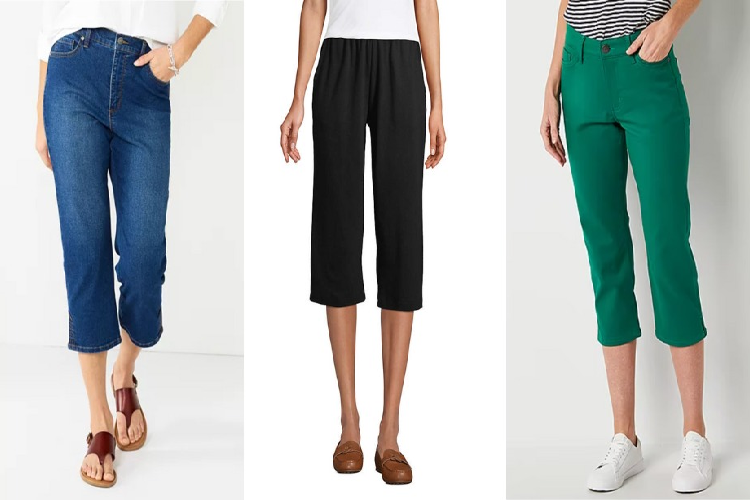
Judging the pants before putting on the right shoes. The dressing-room experience in round-toe sneakers is not an accurate preview of what the outfit will look like. Try to evaluate with a pointed shoe on, or at least be aware that the shoe you’re wearing is affecting your perception.
Choosing the wrong hem length. If the hem lands at the widest part of your upper calf, the proportion issue the original capri had returns. Lower on the calf — closer to the ankle — is where the silhouette works best for most bodies.
Who Is Buying Capri Pants This Summer and Why It Makes Sense for Each of Them
Women who are over the shorts-vs-full-pants impasse. The practical gap-filler argument is real and it applies to a lot of people who spend summer mornings standing in front of their closets unable to commit. Capris answer the question.
Women who liked the Y2K revival but found low-rise jeans unflattering. The high-waisted capri is a more accessible Y2K entry point for a lot of body types than the low-rise trouser trend was. Same cultural reference, much more comfortable execution.
Women who are bored of the oversized silhouette and want something that has a shape. The high-waisted capri has a clear waist point and a clean leg — it knows where it is and it commits to it. After years of fashion that deliberately obscured and relaxed the silhouette, that clarity feels like a choice.
Women who tried capris years ago, felt bad in them, and want to know if the current version is actually different. It is. The rise, the fabric, the styling approach — all genuinely different from what was on offer in 2004. It’s worth trying again with fresh eyes.
FAQs
I thought capri pants were considered unflattering. Did that change? The version that earned that reputation was unflattering for specific structural reasons — low rise, thin fabric, mid-calf hem hitting the widest part of the calf, paired with casual flat shoes. The 2026 version addresses all of those problems: higher rise, structured fabric, cleaner silhouette, styled with pointed shoes. The garment changed. The advice didn’t fully update to match, which is why the “capris are unflattering” rule still floats around even though it’s based on a version that isn’t really what’s available now.
How do I know if the capris I’m looking at are the current version or just old inventory? Three checks: Is the rise high enough to sit at or near your natural waist? Does the fabric have structure and weight rather than being thin or stretchy? Is the silhouette a clean straight or tapered leg rather than a vaguely athletic shape? If all three are yes, it’s the current version. If any are off, it’s the old version regardless of what year the label says.
Do capri pants work for every body type? They work for more body types than their reputation suggests, particularly the high-waisted tailored version. Petite women can make them work with high waist and pointed shoes. Women with curves can make them work with the same approach — the waist definition actually helps rather than hurts. Wide-leg capris are more body-type selective than slim or tailored versions.
What’s the single most important thing to get right? The shoe. Everything else being correct but the shoe being wrong produces an outfit that doesn’t quite work and you won’t immediately know why. Everything else being slightly imperfect but the shoe being a pointed-toe with a minimal sole and the rise being high will produce an outfit that reads as chic and intentional. Shoe first.
Will this trend still be relevant next summer? The tailored, high-waisted version is practical enough and versatile enough to outlast one trend cycle. The more specific versions — gingham, wide-leg, denim — may have a shorter peak. If you’re buying with longevity in mind, a well-made black or navy tailored capri is the one that earns its closet space long-term.
Final Thoughts
The three women in my life who bought capri pants in April didn’t do it because they saw a trend report. They did it because something about the garment answered a question they were trying to answer about getting dressed.
That’s the real reason everyone is buying them. Not the runways. Not the celebrities. Not the search data — though all of that confirms it. It’s the quieter, more practical reason: the pants work. They fill a gap. They solve a problem. They give people a silhouette that’s clean and confident without being fussy or formal.
The styling stuff matters. The shoe matters enormously, the rise matters structurally, the fabric matters more than people expect. But underneath all of it is just a garment that earns its place in a summer wardrobe by doing something useful that nothing else does quite as well.
My neighbor put it best, I think. She said she just liked how she felt when she wore them. Didn’t know they were trending. Didn’t know about the history or the comeback narrative or the runway endorsements.
She just liked how she felt.
That’s the whole story, really.